


2017 Dolcetto di Diano d‘Alba “Sörì Cristina”
Il Palazzotto

The fourth generation to make wine from the family’s vines, Paolo Olivero of Il Palazzotto has a process that is rooted in tradition. What’s more, his hometown of Diano d’Alba is one of the top crus for Dolcetto in Piedmont due to its high elevation and white limestone soil. Green-harvesting, natural fermentation, and Paolo’s most sophisticated technique—opening the windows of his cellar during winter to stabilize the wine before bottling it unfiltered—all lead to freshness, elegance, and a dusty black cherry note in this charming Dolcetto.
—Dustin Soiseth
| Wine Type: | red |
| Vintage: | 2017 |
| Bottle Size: | 750mL |
| Blend: | Dolcetto |
| Appellation: | Dolcetto di Diano d’Alba |
| Country: | Italy |
| Region: | Piedmont |
| Producer: | Il Palazzotto |
| Winemaker: | Paolo Olivero |
| Vineyard: | Planted in 1985, 1.5 ha |
| Soil: | Limestone |
| Aging: | Wine ages in stainless steel tank until August or September of year following vintage, ages in bottle for 2 to 3 months |
| Farming: | Sustainable |
| Alcohol: | 13% |
More from this Producer or Region
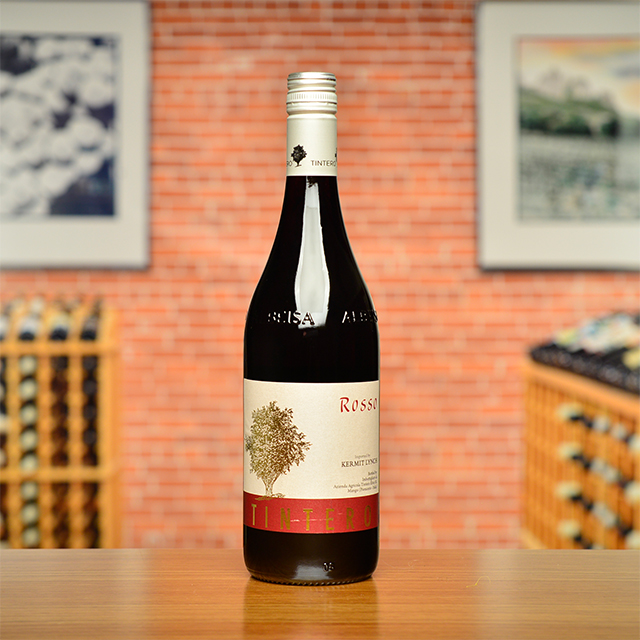
2024 Vino Rosso
Italy | Piedmont
The wines Marco produces, albeit gentle on your wallet, are anything but slight: they capture the beauty and diversity of Piedmont’s local grape varieties, and the earthy character of its undulating hillsides.

2022 Barbera d’Alba Superiore
Italy | Piedmont
Elegant, lithe, and versatile, this Barbera is full of young charm, fragrant fruit, and bright, mouthwatering acidity.

2022 Barolo “Vigna Santa Caterina”
Italy | Piedmont
As seamlessly as it will pair with all kinds of dishes, you don’t even need food. It is that graceful!

2021 Barolo “Le Coste di Monforte” MAGNUM
Italy | Piedmont
While charming now, Le Coste di Monforte will reward you for many years to come.

2020 Barolo “Vigna Rionda”
Italy | Piedmont
Already elegant, this Barolo shows astonishing poise and a different mesmerizing feature of its kaleidoscopic personality every time you take a sip.

2024 Dolcetto di Diano d’Alba “Sörì Cristina”
Italy | Piedmont
Supple, pretty notes of freshly crushed blackberries and raspberries—it will pair well with pretty much anything.

2023 Barbaresco
Italy | Piedmont
Gentle tannins and mouthwatering red fruit—this is young Barbaresco at its most pleasurable.

2021 Barolo “Marassio”
Italy | Piedmont
Unusual for La Morra, the soil here is rich in limestone with veins of chalk, giving Giulia’s most dense, profound, earth- and mineral-driven Barolo.

2022 Dolcetto di Diano d’Alba “Sörì Santa Lucia”
Italy | Piedmont
Real refreshment, plus a serious side and good concentration from old vines in chalky marl soils.

Vermouth Extra Secco
Italy | Piedmont
You’re going to bring your martini game to a whole ’nother level with this dry Piedmontese Vermouth.

About The Producer
Il Palazzotto
About The Region
Piedmont

Kermit’s love affair with the great reds of Piemonte dates back to the early days of his career: the very first container he imported from Italy, in fact, featured legendary 1971 and 1974 Barolos from Vietti and Aldo Conterno. Regular visits since then have seen our portfolio grow to now twelve Piemontesi estates, with a strong focus on the rolling hills of the Langhe.
Nebbiolo rules these majestic, vine-covered marl slopes, giving Italy’s most mystifyingly complex, nuanced, and age-worthy reds. When crafted via traditional production methods—long macerations and extensive aging in enormous oak botti—the powerful, yet incredibly refined Barolos and Barbarescos provide haunting aromatics of tar, raspberry, incense, tea, roses, and more. At times austere in their youth but well worth the wait, they pair beautifully with the hearty local cuisine starring veal in many forms, braised beef, pastas like tajarin and agnolotti, and of course, Alba’s famous white truffles.
Surrounded by mountains on three sides, Piemonte’s climate is continental, with baking hot summers and cold winters. Nebbiolo is only part of the story here: juicy, fruity Barberas and Dolcettos represent the bread and butter throughout the region, and other native grapes like Freisa, Croatina, and the white Arneis are also noteworthy. Value abounds in the Monferrato, while Alto Piemonte also has its share of thrills to provide.
Every corner of Piemonte is rich with tradition, especially when wine is concerned. It’s no wonder we have been singing the region’s praises for over forty years.
More from Piedmont or Italy
2021 Barolo “Le Coste di Monforte” MAGNUM
Piero Benevelli Italy | Piedmont
2024 Monferrato Rosso
Tenuta La Pergola Italy | Piedmont
2022 Dolcetto di Diano d’Alba “Sörì Santa Lucia”
Il Palazzotto Italy | Piedmont
2018 Laboro Disobedient
A. & G. Fantino Italy | Piedmont
2025 Dolcetto d’Alba “V. Pari”
Guido Porro Italy | Piedmont
2024 Erbaluce di Caluso “Le Chiusure”
Cantina Favaro Italy | Piedmont
2021 Barolo “Vigna Rionda”
Guido Porro Italy | Piedmont
2018 Barolo Bussia “Cascina Dardi”
A. & G. Fantino Italy | Piedmont
2023 Barbaresco
Tintero Italy | Piedmont
2024 Canavese Nebbiolo “Ros”
Cantina Favaro Italy | Piedmont
2024 Langhe Nebbiolo
Tintero Italy | Piedmont
2022 Barolo “Vigna Lazzairasco”
Guido Porro Italy | Piedmont
2021 Barolo “Le Coste di Monforte” MAGNUM
Piero Benevelli Italy | Piedmont
2024 Monferrato Rosso
Tenuta La Pergola Italy | Piedmont
2022 Dolcetto di Diano d’Alba “Sörì Santa Lucia”
Il Palazzotto Italy | Piedmont
2018 Laboro Disobedient
A. & G. Fantino Italy | Piedmont
2025 Dolcetto d’Alba “V. Pari”
Guido Porro Italy | Piedmont
2024 Erbaluce di Caluso “Le Chiusure”
Cantina Favaro Italy | Piedmont
2021 Barolo “Vigna Rionda”
Guido Porro Italy | Piedmont
2018 Barolo Bussia “Cascina Dardi”
A. & G. Fantino Italy | Piedmont
2023 Barbaresco
Tintero Italy | Piedmont
2024 Canavese Nebbiolo “Ros”
Cantina Favaro Italy | Piedmont
2024 Langhe Nebbiolo
Tintero Italy | Piedmont
2022 Barolo “Vigna Lazzairasco”
Guido Porro Italy | Piedmont
Where the newsletter started

Where the newsletter started
Every three or four months I would send my clients a cheaply made list of my inventory, but it began to dawn on me that business did not pick up afterwards. It occurred to me that my clientele might not know what Château Grillet is, either. One month in 1974 I had an especially esoteric collection of wines arriving, so I decided to put a short explanation about each wine into my price list, to try and let my clients know what to expect when they uncorked a bottle. The day after I mailed that brochure, people showed up at the shop, and that is how these little propaganda pieces for fine wine were born.—Kermit Lynch