


2004 Fronsac
Château Haut-Lariveau

“Wild” isn’t a word frequently associated with Bordeaux, so here is a rare exception. All natural yeasts, the slightest dollop of sulfur, no filtration or fining, and (of course) organic farming make this a bit of a flamboyant bird in an otherwise composed and sober red Bordeaux landscape. A fun library release straight from the estate that is ready to drink tonight.
—Chris Santini
| Wine Type: | red |
| Vintage: | 2004 |
| Bottle Size: | 750mL |
| Blend: | Merlot |
| Appellation: | Fronsac |
| Country: | France |
| Region: | Bordeaux |
| Producer: | Château Haut-Lariveau |
| Winemaker: | Bénédicte & Grégoire Hubau |
| Vineyard: | 60 years avg., 7.92 ha |
| Soil: | Clay, Limestone and Clay, Gravel |
| Aging: | 12- to 18-month élevage in barriques, 25% new |
| Farming: | Organic (practicing) |
| Alcohol: | 13.5% |
More from this Producer or Region

2021 Bordeaux Sec “Les Clous”
France | Bordeaux
A nervy, age-worthy wine; it smells remarkably like top-notch Chablis, but on the palate hints at tropical fruits like melon, lychee, and lime.

2025 Graves Blanc HALF BOTTLE
France | Bordeaux
There could be no better way to enjoy this crisp, invigorating Graves than with a platter of fresh seafood.
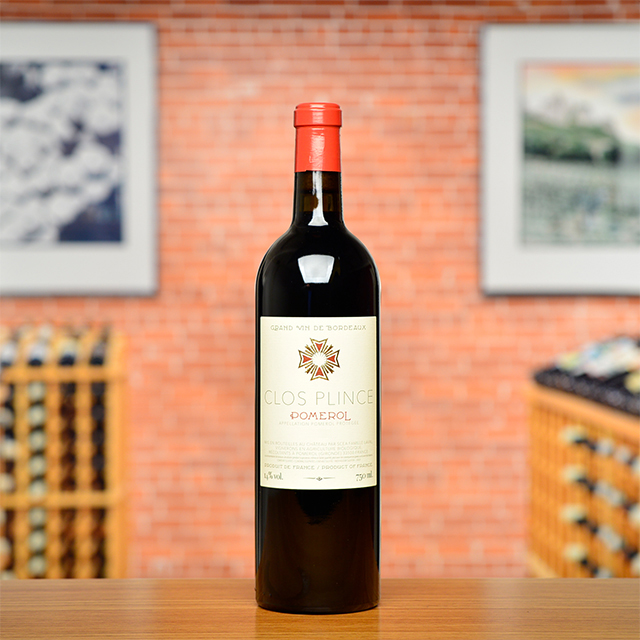
2019 Pomerol “Clos Plince”
France | Bordeaux
This single-vineyard cuvée is from the domaine’s oldest vines. After a few hours in a decanter, it will reach its peak with silky tannins and a refined mouthfeel.

2012 Pomerol
France | Bordeaux
Everything you’d expect from an aged Bordeaux of this pedigree. At a perfect stage of its evolution, it offers a striking aroma of sweet spice, woodsmoke, earth, and enduring notes of dark Merlot fruit.

2025 Graves Blanc
France | Bordeaux
Brimming with honeysuckle, lychee, and citrus, this Bordeaux blend is reliably harmonious with Eastern cuisine.

2022 Sauternes
France | Bordeaux
This is truly artisanal Sauternes—made by hardworking farmers who are willing to sacrifice quantity for excellence.

2020 Canon Fronsac
France | Bordeaux
You may find it to be leaner and livelier than the rich, plush Merlots of Pomerol and Saint-Émilion.
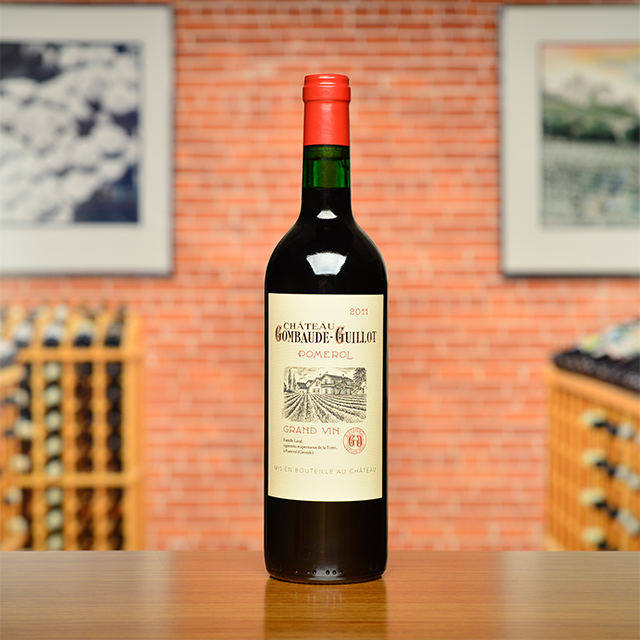
2011 Pomerol
France | Bordeaux
Rich, velvety texture and vivid fruit, suggesting blackberry and plum with an almost wild intensity.

2023 Saint-Emilion Grand Cru
France | Bordeaux
Crafted from less than two hectares of organic grapes and vinified in a cramped garage, this is silky Saint-Emilion at its most seductive.

2019 Fronsac
France | Bordeaux
There is nothing overdone in this chiseled, elegant cuvée made from organically grown and pampered Merlot.


About The Producer
Château Haut-Lariveau
About The Region
Bordeaux

Often considered the wine capital of the world, Bordeaux and its wines have captured the minds, hearts, and wallets of wine drinkers for centuries. For many, the wines provide an inalienable benchmark against which all other wines are measured.
Bordeaux is divided into three winegrowing regions with the city that gives the region its name in the near geographical center. The “right bank,” or the area located east of the Dordogne River, produces wines that are predominantly Merlot with small amounts of Cabernet Franc and Cabernet Sauvignon. The “left bank” is located to the west of the Garonne River and produces wines dominated by Cabernet Sauvignon, with Cabernet Franc, Merlot, Malbec and Petit Verdot.
The third region, Entre-Deux-Mers, lies between both rivers and produces white wines from Sauvignon Blanc, Sémillon, and Muscadelle. Though technically in the left bank, it is worth noting the appellation of Sauternes, which produces arguably the world’s most famous sweet wines from Sauvignon Blanc, Sémillon, and Muscadelle as well.
Though many top Bordeaux wines are sold en primeur (in advance of their bottling) and often through a middleman known as a negoçiant, Kermit has always preferred to purchase directly from the winemaker. For more than three decades he has sought out small producers, who make classic Bordeaux wines and are willing to play outside the negoçiant system. This ethic has led to longstanding relationships, excellent prices, and perhaps most important—wines of great value and longevity.
More from Bordeaux or France
2021 Bordeaux Sec “Les Clous”
Domaine de l'Alliance France | Bordeaux
2025 Graves Blanc
Château Graville-Lacoste France | Bordeaux
2025 Bordeaux Blanc
Château Ducasse France | Bordeaux
2011 Pomerol
Château Gombaude-Guillot France | Bordeaux
2019 Fronsac
Château Haut-Lariveau France | Bordeaux
2019 Pomerol “Clos Plince”
Château Gombaude-Guillot France | Bordeaux
2022 Bordeaux Sec “Les Clous”
Domaine de l’Alliance France | Bordeaux
2023 Saint-Emilion Grand Cru
Château Tertre de la Mouleyre France | Bordeaux
2025 Graves Blanc HALF BOTTLE
Château Graville-Lacoste France | Bordeaux
2011 Pomerol MAGNUM
Château Gombaude-Guillot France | Bordeaux
2020 Canon Fronsac
Château Moulin France | Bordeaux
2020 Atlantique Blanc “Déclinaison”
Domaine de l’Alliance France | Bordeaux
2021 Bordeaux Sec “Les Clous”
Domaine de l'Alliance France | Bordeaux
2025 Graves Blanc
Château Graville-Lacoste France | Bordeaux
2025 Bordeaux Blanc
Château Ducasse France | Bordeaux
2011 Pomerol
Château Gombaude-Guillot France | Bordeaux
2019 Fronsac
Château Haut-Lariveau France | Bordeaux
2019 Pomerol “Clos Plince”
Château Gombaude-Guillot France | Bordeaux
2022 Bordeaux Sec “Les Clous”
Domaine de l’Alliance France | Bordeaux
2023 Saint-Emilion Grand Cru
Château Tertre de la Mouleyre France | Bordeaux
2025 Graves Blanc HALF BOTTLE
Château Graville-Lacoste France | Bordeaux
2011 Pomerol MAGNUM
Château Gombaude-Guillot France | Bordeaux
2020 Canon Fronsac
Château Moulin France | Bordeaux
2020 Atlantique Blanc “Déclinaison”
Domaine de l’Alliance France | Bordeaux
Kermit once said...

Kermit once said...
Let the brett nerds retire into protective bubbles, and whenever they thirst for wine it can be passed in to them through a sterile filter. Those of us on the outside can continue to enjoy complex, natural, living wines.
Inspiring Thirst, page 236