


2024 Vino Rosso “Munaloss”
Cantine Garrone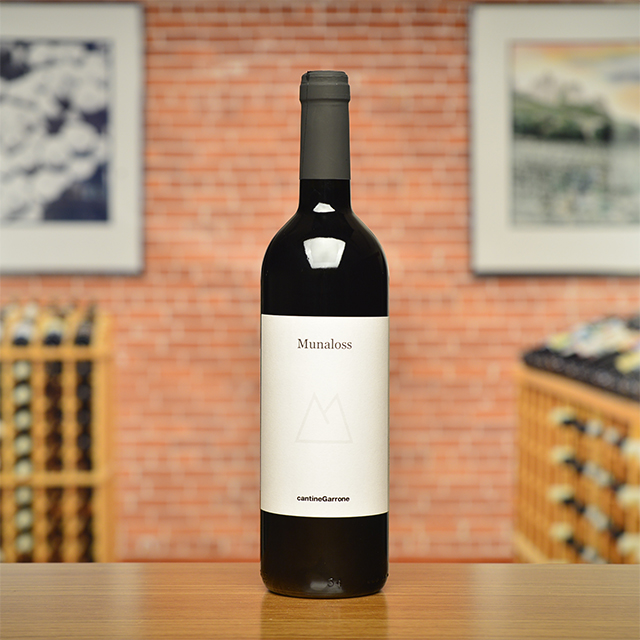
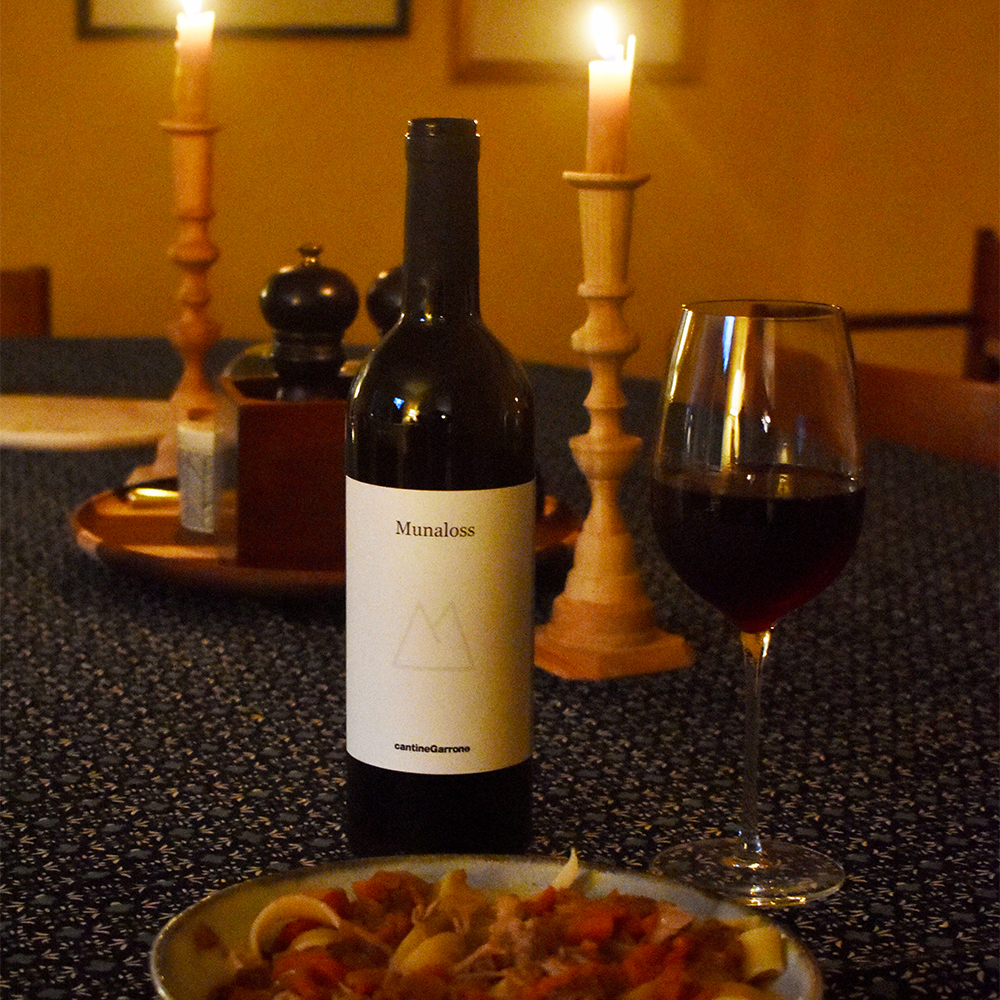
Paired with a duck ragù atop pappardelle
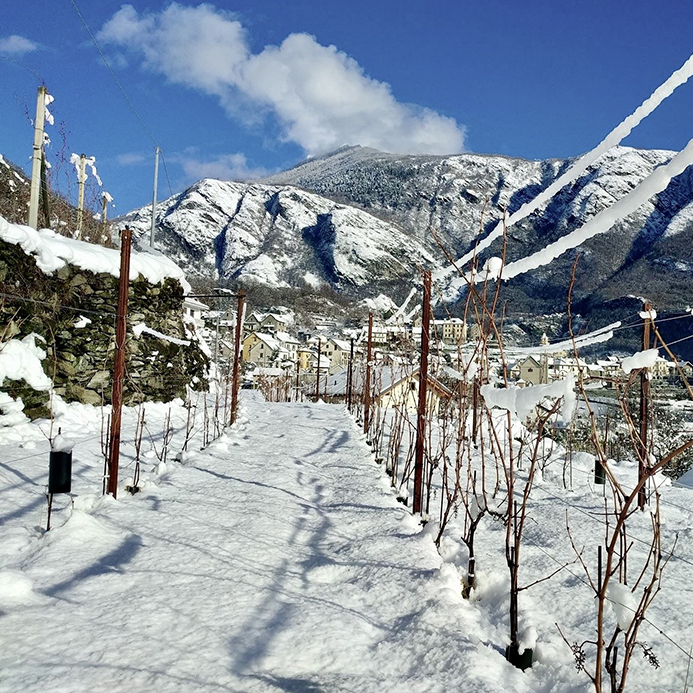
Snow-covered Prünent vines
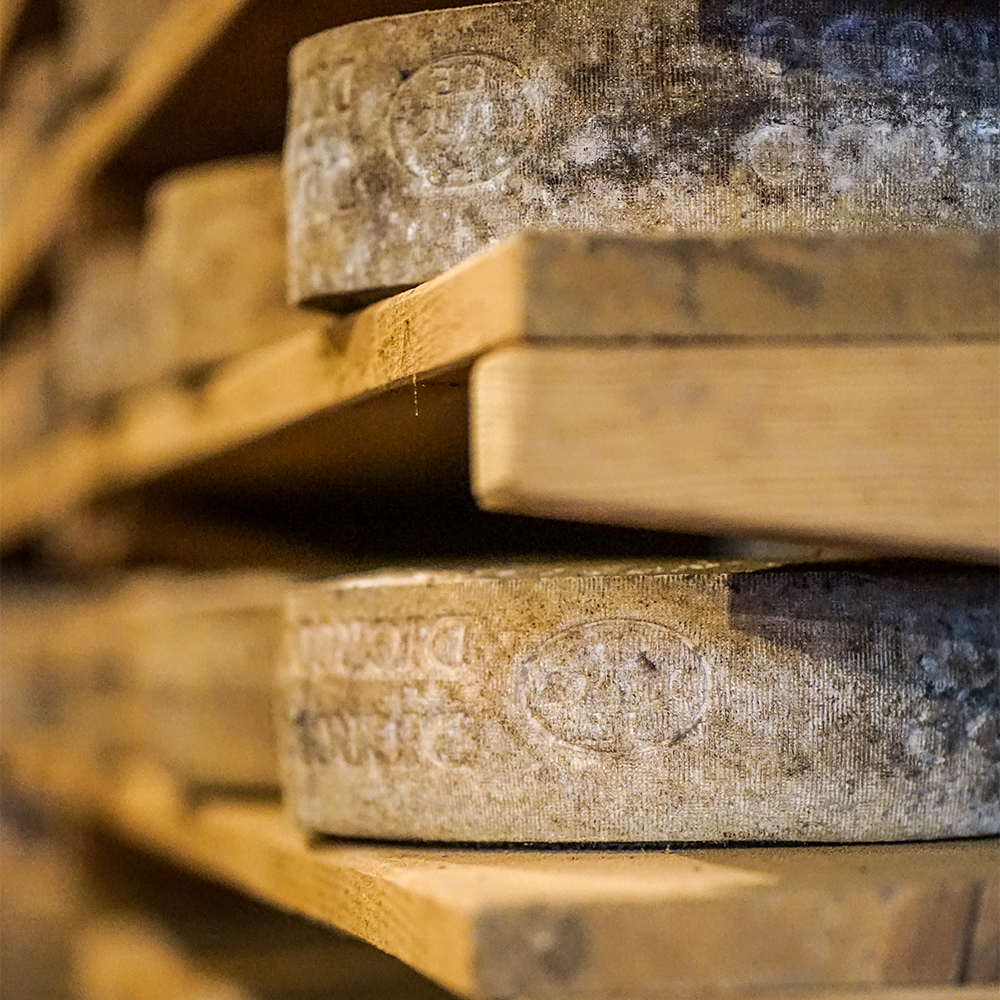
Local cheese
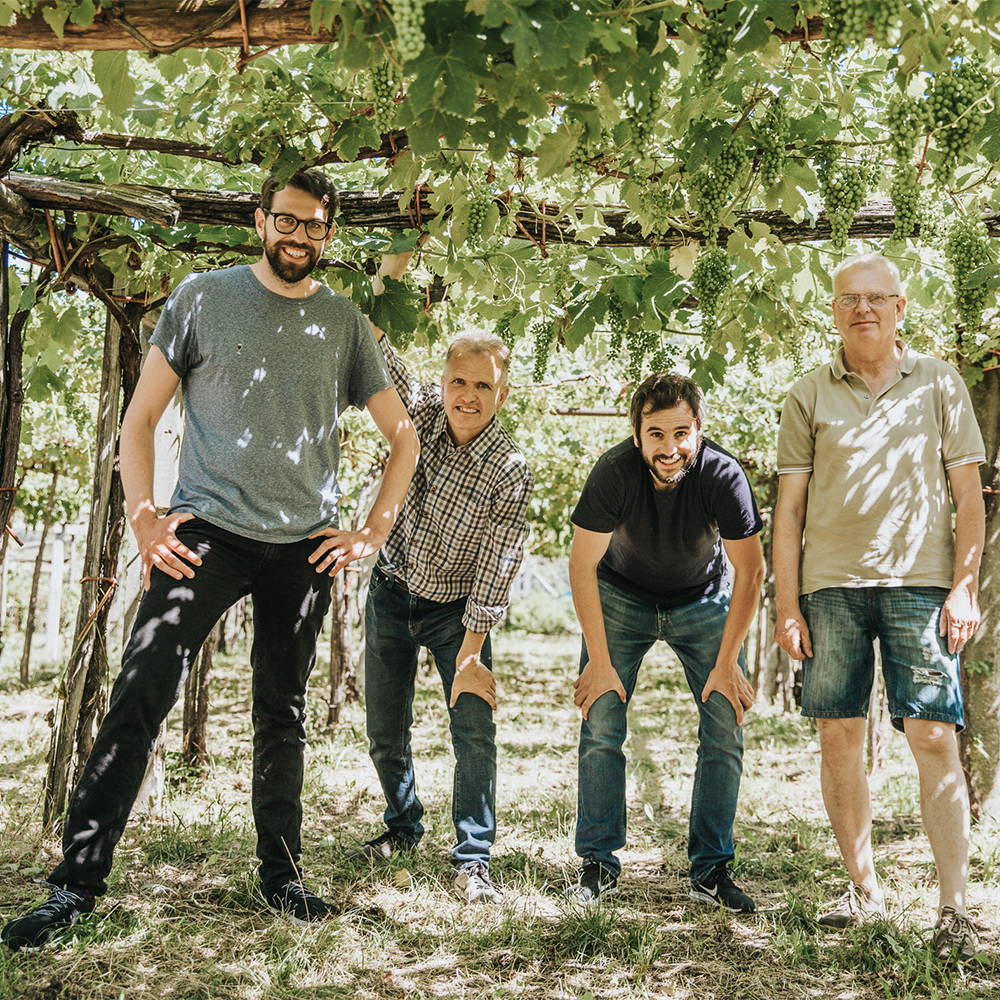
The Garrone family: Marco, Roberto, Matteo, and Piermario
Tucked in a narrow valley deep in the Italian Alps, just a stone’s throw from the Matterhorn, the remote village of Domodossola is home to some of the most exciting Nebbiolo being made in Italy today—and, at $19, the country’s greatest value bottling made from that grape.
Known locally as Prünent, Nebbiolo from this northern Piemontese outpost is perfectly poised to produce reds that soar with fragrance and finesse. The cooler weather plays a significant role, as does the regionally distinctive farming system called toppia. Training vines this way, on massive stone and wooden pergolas, ensures slow ripening and as much protection from the elements as possible. These factors yield a supremely elegant and silky expression of Nebbiolo, a style the Garrones has mastered over four generations of cultivating this dramatic, isolated mountain terroir.
For their Munaloss bottling, the Garrone family makes Nebbiolo even more irresistible by adding a splash of Croatina to deliver as vivid, youthful, and exuberant a weeknight red as you’ll taste all year. On top of being delicious, it’s an incredibly versatile red that keeps proving itself worthy of a place on your table year round. Matteo Garrone loves to drink it with chestnuts, polenta, soups, and all manner of seasonal vegetables. Recently, I had great success over a few nights with a simple margherita pizza, grilled ribeye, and finally a duck ragù atop pappardelle. At this price, I’ll certainly be stocking up and testing its seemingly boundless pairing limits many more times in 2026.
—Tom Wolf
| Wine Type: | red |
| Vintage: | 2024 |
| Bottle Size: | 750mL |
| Blend: | 80% Prünent (Nebbiolo), 20% Croatina |
| Country: | Italy |
| Region: | Piedmont |
| Producer: | Cantine Garrone |
| Winemaker: | Piermario, Roberto, Marco and Matteo Garrone |
| Vineyard: | 10-50 years old; 4.5 ha |
| Soil: | Sandy loam, gneiss |
| Farming: | Sustainable |
| Alcohol: | 12.5% |
More from this Producer or Region

2022 Barolo “La Tartufaia”
Italy | Piedmont
The wines produced from La Tartufaia are textbook examples of classically structured Barolo typical of the area.

2021 Barolo “Vigna Lazzairasco”
Italy | Piedmont
If you are unfamiliar with Guido Porro and his world-class Baroli, this is an ideal bottle with which to become acquainted.
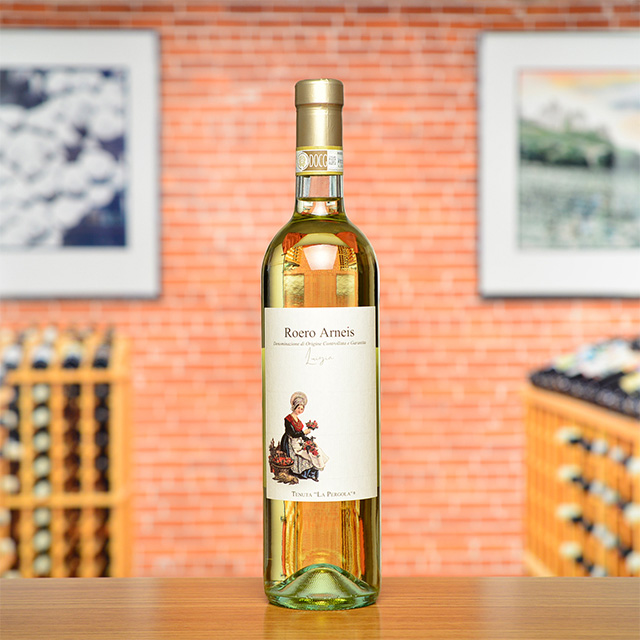
2024 Roero Arneis
Italy | Piedmont
Arneis has enough luscious, peachy body to satisfy Chardonnay drinkers, along with the mouthwatering zip of a good Sauvignon Blanc.

2024 Barbera d’Alba “Gens Hoelia”
Italy | Piedmont
Cozy up to a bowl of slow-cooked chili or ragù and you’ll find yourself in the company of a glass that stands up to robust fare with whiffs of dusky plum and a quick grip of tannins.

2022 Barbaresco
Italy | Piedmont
Gentle tannins and mouthwatering red fruit—this is young Barbaresco at its most pleasurable.

2025 Vino Bianco
Italy | Piedmont
Dry and low in alcohol, with lip-smackingly crisp fruit and a gentle spritz, this quaffer is as unpretentious as its maker.

2023 Valli Ossolane Nebbiolo Superiore “Prünent”
Italy | Piedmont
This one is vibrant, high-toned, and lengthy, with fragrant, velvety fruit that will make your eyes widen with pleasure.
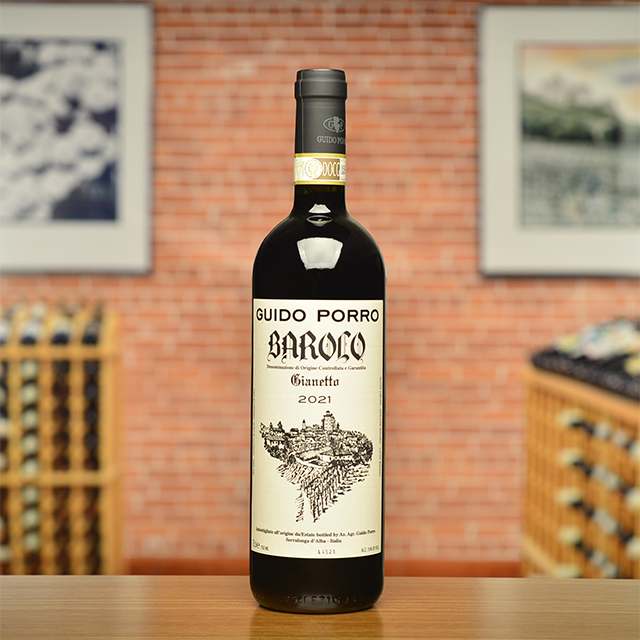
2021 Barolo “Gianetto”
Italy | Piedmont
The Barolos of Serralunga are renowned for their power and longevity, and while Porro’s Gianetto is not the unyielding, tannic beast of old, it will certainly benefit from a few years in your cellar.

2023 Valli Ossolane Nebbiolo Superiore “Prünent Vigna Fornace”
Italy | Piedmont
A total knock-out, this bottling shows plenty of age-worthy structure, density, and ripe notes of cherry, plum, and leather.

2022 Valli Ossolane Nebbiolo Superiore “Prünent Diecibrente”
Italy | Piedmont
Extraordinarily high-toned, silky, and graceful, this is the pinnacle of the family’s world-class Nebbioli.


About The Producer
Cantine Garrone
Cantine Garrone was founded in 1921 by Luigi Garrone in Piemonte’s northernmost wine appellation, Val d’Ossola. Even now, this is one of the most wild and inaccessible parts of Piemonte, where many of the vines cling to mountainsides at incredibly steep inclines. Today, Luigi’s grandsons, Piermario and Roberto, run the winery alongside Roberto’s two sons, Marco and Matteo. The family has made it their life’s purpose to preserve and elevate the wines of Val d’Ossola, focusing in particular on Prünent, commonly understood to be the oldest existing clone of Nebbiolo. In the 1990s, they launched an effort to assist local farmers who were struggling to produce enough grapes for any viable commercial activity. They work with more than forty growers to combine their efforts and as a result, have saved the local winemaking tradition from certain extinction. In total, the family owns 3.5 hectares of vineyard and manages another 7.5 through this community of forty growers.
About The Region
Piedmont

Kermit’s love affair with the great reds of Piemonte dates back to the early days of his career: the very first container he imported from Italy, in fact, featured legendary 1971 and 1974 Barolos from Vietti and Aldo Conterno. Regular visits since then have seen our portfolio grow to now twelve Piemontesi estates, with a strong focus on the rolling hills of the Langhe.
Nebbiolo rules these majestic, vine-covered marl slopes, giving Italy’s most mystifyingly complex, nuanced, and age-worthy reds. When crafted via traditional production methods—long macerations and extensive aging in enormous oak botti—the powerful, yet incredibly refined Barolos and Barbarescos provide haunting aromatics of tar, raspberry, incense, tea, roses, and more. At times austere in their youth but well worth the wait, they pair beautifully with the hearty local cuisine starring veal in many forms, braised beef, pastas like tajarin and agnolotti, and of course, Alba’s famous white truffles.
Surrounded by mountains on three sides, Piemonte’s climate is continental, with baking hot summers and cold winters. Nebbiolo is only part of the story here: juicy, fruity Barberas and Dolcettos represent the bread and butter throughout the region, and other native grapes like Freisa, Croatina, and the white Arneis are also noteworthy. Value abounds in the Monferrato, while Alto Piemonte also has its share of thrills to provide.
Every corner of Piemonte is rich with tradition, especially when wine is concerned. It’s no wonder we have been singing the region’s praises for over forty years.
More from Piedmont or Italy
2024 Erbaluce di Caluso “Tredicimesi”
Cantina Favaro Italy | Piedmont
2024 Roero Arneis
Tenuta La Pergola Italy | Piedmont
2024 Monferrato Rosso
Tenuta La Pergola Italy | Piedmont
2020 Barolo “Vigna Rionda”
Guido Porro Italy | Piedmont
2018 Barolo Bussia “Cascina Dardi”
A. & G. Fantino Italy | Piedmont
2022 Barbaresco
Tintero Italy | Piedmont
2024 Erbaluce di Caluso “Le Chiusure”
Cantina Favaro Italy | Piedmont
2021 Barolo “Le Coste di Monforte”
Piero Benevelli Italy | Piedmont
2024 Moscato d’Asti “Sorì Gramella”
Tintero Italy | Piedmont
2024 Langhe Nebbiolo
Tintero Italy | Piedmont
2021 Barolo “Ravera di Monforte”
Piero Benevelli Italy | Piedmont
“Ross da Travaj” Vermouth
Bèrto Italy | Piedmont
2024 Erbaluce di Caluso “Tredicimesi”
Cantina Favaro Italy | Piedmont
2024 Roero Arneis
Tenuta La Pergola Italy | Piedmont
2024 Monferrato Rosso
Tenuta La Pergola Italy | Piedmont
2020 Barolo “Vigna Rionda”
Guido Porro Italy | Piedmont
2018 Barolo Bussia “Cascina Dardi”
A. & G. Fantino Italy | Piedmont
2022 Barbaresco
Tintero Italy | Piedmont
2024 Erbaluce di Caluso “Le Chiusure”
Cantina Favaro Italy | Piedmont
2021 Barolo “Le Coste di Monforte”
Piero Benevelli Italy | Piedmont
2024 Moscato d’Asti “Sorì Gramella”
Tintero Italy | Piedmont
2024 Langhe Nebbiolo
Tintero Italy | Piedmont
2021 Barolo “Ravera di Monforte”
Piero Benevelli Italy | Piedmont
“Ross da Travaj” Vermouth
Bèrto Italy | Piedmont
Vintage Chart Mentality

Vintage Chart Mentality
Trust the great winemakers, trust the great vineyards. Your wine merchant might even be trustworthy. In the long run, that vintage strip may be the least important guide to quality on your bottle of wine.—Kermit Lynch