


2022 Irouléguy Blanc “Hegoxuri”
Maison Arretxea
Ever stay up at night wondering what a Petit Courbu blended with Gros and Petit Manseng tastes like? Me neither! It’s wild honey on the nose with hints of smoke, with ripe fruit and a touch of salt on the palate, full bodied yet fully refreshing all at once. Now you know!
—Chris Santini
| Wine Type: | white |
| Vintage: | 2022 |
| Bottle Size: | 750mL |
| Blend: | 60% Gros Manseng, 35% Petit Manseng, 5% Petit Courbu |
| Appellation: | Irouléguy |
| Country: | France |
| Region: | Southwest |
| Producer: | Maison Arretxea |
| Winemaker: | Thérese & Michel Riouspeyrous |
| Vineyard: | 15 to 20 years, 3 ha |
| Soil: | Sandstone |
| Aging: | Fermentation and aging in foudre, 600-L demi-muid (40%), and the rest in stainless steel |
| Farming: | Biodynamic (certified) |
| Alcohol: | 14% |
More from this Producer or Region
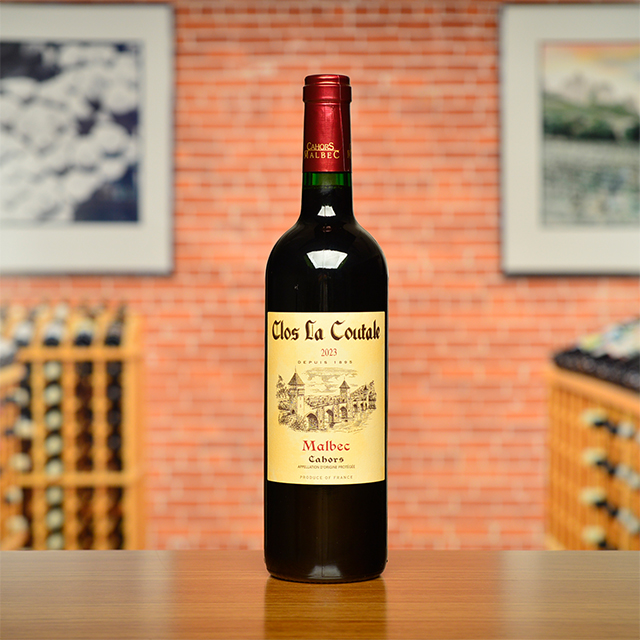
2023 Cahors
France | Southwest
Today, the 2023 is a robust, tightly coiled rouge balanced by notes of dark fruit, plum, earth, and eucalyptus.

2023 Cahors
France | Southwest
April Club Gourmand ~ La Grave is one of the rare Cahors to consist exclusively of the native Malbec. Without any Merlot to soften it, this Cahors is decidedly old-fashioned.

2021 Irouléguy Rouge “Cuvée Haitza”
France | Southwest
A black wine made from steep inclines planted to Tannat and some Cabernet Sauvignon, it demands patience while its dense, mouth-coating tannins slowly release their clutching grip.


About The Producer
Maison Arretxea
About The Region
Southwest

Tucked away beneath Bordeaux and buffeted by the Pyrenees to the south, this expansive region of France, commonly known as the Southwest, is home to a diverse number of viticulture and gastronomic traditions as well as cultures. Though Cahors might be the most well known (and easiest to pronounce) appellation from the Southwest, the importance and influence of French Basque culture cannot be underestimated. Irouléguy, the primary appellation of the Basque region of France produces full-bodied, hearty red wines, produced from Tannat grape (known for its tannic qualities). Dry whites from Irouléguy are also produced from Petit and Gros Manseng. Northeast of Irouléguy is the sweet wine-producing appellation of Jurançon. These moelleux wines made from Petit and Gros Manseng have a storied history in France, from being the first wine region to have a vineyard classification, which dates back to the 154th century, to being preferred wine of royalty dating back to the 16th century as well as the French poet Colette.
More from Southwest or France
2023 Riesling Grand Cru “Brand”
Albert Boxler France | Alsace
2023 Cahors
Clos La Coutale France | Southwest
2024 Vin de France Blanc “B.G.”
Antoine-Marie Arena France | Corsica
2024 Muscat Réserve
Meyer-Fonné France | Alsace
2023 Chablis 1er Cru “Mont de Milieu”
Henri Costal France | Burgundy
2021 Irouléguy Rouge “Cuvée Haitza”
Maison Arretxea France | Southwest
2023 Chablis 1er Cru “Vaillons”
Henri Costal France | Burgundy
2023 Sancerre “Les Cris”
Daniel Chotard France | Loire
2023 Cahors
Château La Grave France | Southwest
2019 Vouvray “Bois Guyon”
Catherine & Pierre Breton France | Loire
2023 Chassagne-Montrachet
Bruno Colin France | Burgundy
2019 Riesling Grand Cru “Geisberg”
Kuentz-Bas France | Alsace
2023 Riesling Grand Cru “Brand”
Albert Boxler France | Alsace
2023 Cahors
Clos La Coutale France | Southwest
2024 Vin de France Blanc “B.G.”
Antoine-Marie Arena France | Corsica
2024 Muscat Réserve
Meyer-Fonné France | Alsace
2023 Chablis 1er Cru “Mont de Milieu”
Henri Costal France | Burgundy
2021 Irouléguy Rouge “Cuvée Haitza”
Maison Arretxea France | Southwest
2023 Chablis 1er Cru “Vaillons”
Henri Costal France | Burgundy
2023 Sancerre “Les Cris”
Daniel Chotard France | Loire
2023 Cahors
Château La Grave France | Southwest
2019 Vouvray “Bois Guyon”
Catherine & Pierre Breton France | Loire
2023 Chassagne-Montrachet
Bruno Colin France | Burgundy
2019 Riesling Grand Cru “Geisberg”
Kuentz-Bas France | Alsace
Where the newsletter started

Where the newsletter started
Every three or four months I would send my clients a cheaply made list of my inventory, but it began to dawn on me that business did not pick up afterwards. It occurred to me that my clientele might not know what Château Grillet is, either. One month in 1974 I had an especially esoteric collection of wines arriving, so I decided to put a short explanation about each wine into my price list, to try and let my clients know what to expect when they uncorked a bottle. The day after I mailed that brochure, people showed up at the shop, and that is how these little propaganda pieces for fine wine were born.—Kermit Lynch