


2003 Côte-de-Brouilly
Nicole Chanrion
Extremely limited quantities, maximum one bottle per purchase
Today's selection comes straight from Nicole Chanrion’s cellar at the foot of Mont Brouilly, in the Beaujolais. Nicole, who took over the small family winery from her father in 1988, crafts an authentic, soulful Côte-de-Brouilly from the schist slopes of this extinct volcano. It all starts in the vineyard, where she works Gamay vines averaging more than fifty years of age planted at traditional high density. Vinified via whole-cluster fermentation and aged in massive, century-old oak foudres, this wine exudes loads of early-drinking charm, but after a decade in bottle, a different beast has emerged. Earthy herbs and spices with hints of blood orange and game dominate, while a crunchy, schistous mineral backbone holds it all together.
—Anthony Lynch
| Wine Type: | red |
| Vintage: | 2003 |
| Bottle Size: | 750mL |
| Blend: | Gamay |
| Appellation: | Côte-de-Brouilly |
| Country: | France |
| Region: | Beaujolais |
| Producer: | Nicole Chanrion |
| Winemaker: | Nicole Chanrion |
| Vineyard: | 50 years, 3.5 ha |
| Soil: | Schist, Porphyry |
| Farming: | Lutte Raisonnée |
| Alcohol: | 13% |
More from this Producer or Region

2021 Côte de Brouilly
France | Beaujolais
Alex Foillard fashions a Côte-de-Brouilly that strikes a deeper register, saturating the senses with tooth-staining fruit.

2025 Beaujolais Nouveau
France | Beaujolais
Limited Quantities! ~ Valentin Montanet’s rendition has guts, but it sure is kickin’, too, with loads of cherries and heaps of joy.
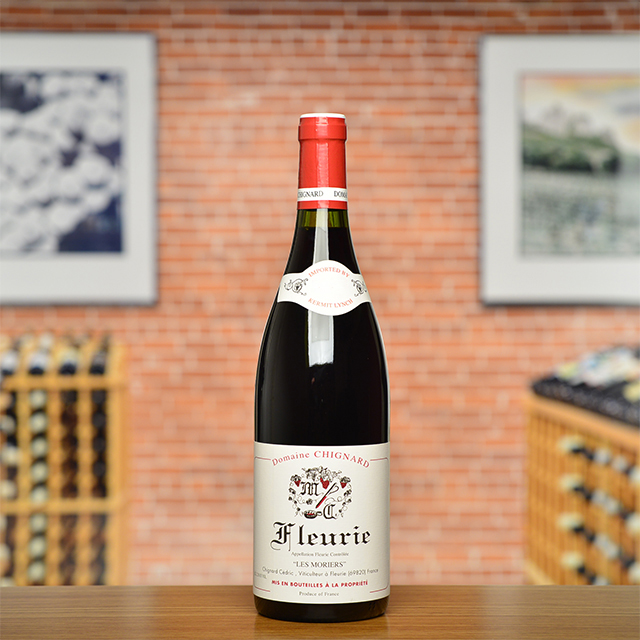
2024 Fleurie “Les Moriers”
France | Beaujolais
February Club Gourmand ~ Showcasing notes of brambly fruit, violet, stone, and smoke, this classic bottling of Les Moriers offers so much to love.

2024 Vin de France Rouge “Raisins Gaulois”
France | Beaujolais
This juicy red—loaded with bright, playful fruit—is low in alcohol and delightfully refreshing.

2024 Beaujolais-Villages
France | Beaujolais
This drinks like a Gamay infusion with lovely hints of potpourri, spice, and fresh grapes.

2021 Beaujolais Blanc “Terrain Rouge”
France | Beaujolais
In classic Thévenet fashion, the wine is bright and energetic—a snappy Chardonnay that tastes like fresh green apple skin with a whisper of gentian.

2023 Beaujolais Blanc
France | Beaujolais
March Adventures Club ~ Do not miss this outstanding, value-driven Chardonnay from one of our most beloved French domaines.
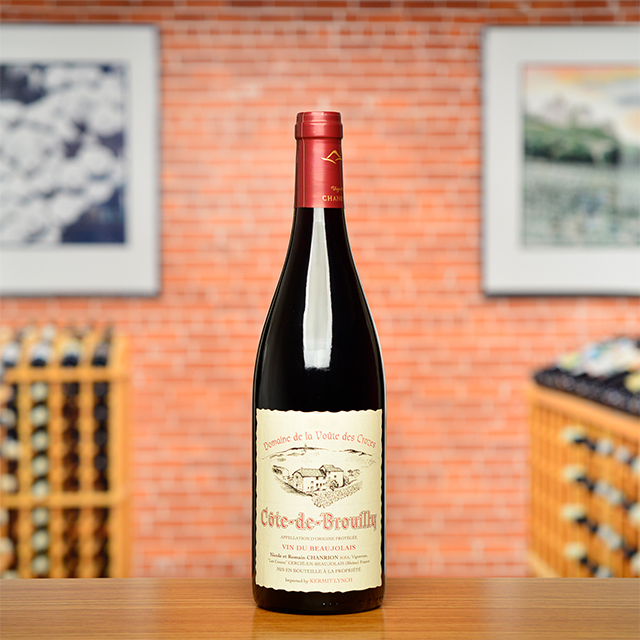
2024 Côte-de-Brouilly
France | Beaujolais
Stony, faintly spicy, and elegant, it’s the kind of bottle you want to pop open again as soon as the first is drained.
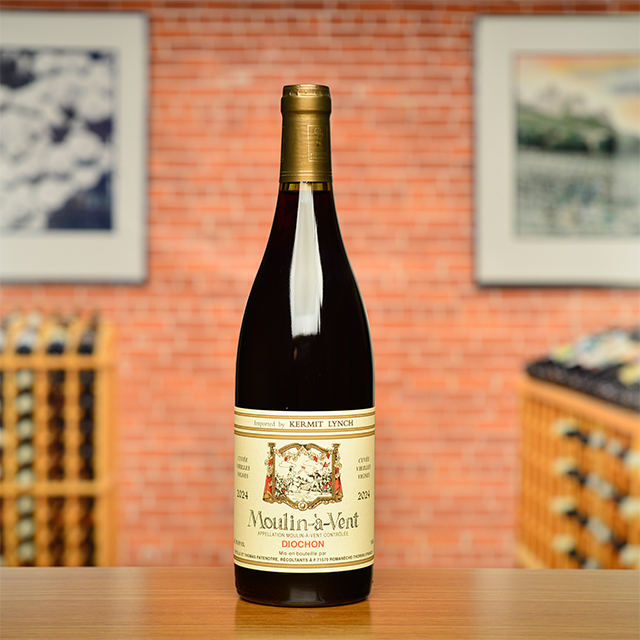
2024 Moulin-à-Vent “Vieilles Vignes”
France | Beaujolais
Moulin-à-Vent has a unique, earthy, chewy edge to it that you just can’t find anywhere else.


About The Producer
Nicole Chanrion
About The Region
Beaujolais

After years of the region’s reputation being co-opted by mass-produced Beaujolais Nouveau and the prevalence of industrial farming, the fortunes of vignerons from the Beaujolais have been on the rise in the past couple of decades. Much of this change is due to Jules Chauvet, a prominent Beaujolais producer who Kermit worked with in the 1980s and arguably the father of the natural wine movement, who advocated not using herbicides or pesticides in vineyards, not chaptalizing, fermenting with ambient yeasts, and vinifying without SO2. Chief among Chauvet’s followers was Marcel Lapierre and his three friends, Jean Foillard, Guy Breton, and Jean-Paul Thévenet—a group of Morgon producers who Kermit dubbed “the Gang of Four.” The espousal of Chauvet’s methods led to a dramatic change in quality of wines from Beaujolais and with that an increased interest and appreciation for the AOC crus, Villages, and regular Beaujolais bottlings.
The crus of Beaujolais are interpreted through the Gamay grape and each illuminate the variety of great terroirs available in the region. Distinguishing itself from the clay and limestone of Burgundy, Beaujolais soils are predominantly decomposed granite, with pockets of blue volcanic rock. The primary vinification method is carbonic maceration, where grapes are not crushed, but instead whole clusters are placed in a tank, thus allowing fermentation to take place inside each grape berry.
Much like the easy-going and friendly nature of many Beaujolais vignerons, the wines too have a lively and easy-drinking spirit. They are versatile at table but make particularly good matches with the local pork sausages and charcuterie. Though often considered a wine that must be drunk young, many of the top crus offer great aging potential.
More from Beaujolais or France
2024 Régnié
Guy Breton France | Beaujolais
2024 Beaujolais-Villages
Alex Foillard France | Beaujolais
2023 Chénas “Chassignol”
Domaine Thillardon France | Beaujolais
2025 Beaujolais Nouveau
La Sœur Cadette France | Beaujolais
2022 Côte de Brouilly
Guy Breton France | Beaujolais
2023 Beaujolais Blanc
Domaine Dupeuble France | Beaujolais
2024 Chénas “Vibrations”
Domaine Thillardon France | Beaujolais
2023 Fleurie
Jean Foillard France | Beaujolais
2021 Brouilly
Alex Foillard France | Beaujolais
2023 Beaujolais Blanc “Clos de Rochebonne”
Château Thivin France | Beaujolais
2024 Côte-de-Brouilly
Nicole Chanrion France | Beaujolais
2024 Moulin-à-Vent “Vieilles Vignes”
Bernard Diochon France | Beaujolais
2024 Régnié
Guy Breton France | Beaujolais
2024 Beaujolais-Villages
Alex Foillard France | Beaujolais
2023 Chénas “Chassignol”
Domaine Thillardon France | Beaujolais
2025 Beaujolais Nouveau
La Sœur Cadette France | Beaujolais
2022 Côte de Brouilly
Guy Breton France | Beaujolais
2023 Beaujolais Blanc
Domaine Dupeuble France | Beaujolais
2024 Chénas “Vibrations”
Domaine Thillardon France | Beaujolais
2023 Fleurie
Jean Foillard France | Beaujolais
2021 Brouilly
Alex Foillard France | Beaujolais
2023 Beaujolais Blanc “Clos de Rochebonne”
Château Thivin France | Beaujolais
2024 Côte-de-Brouilly
Nicole Chanrion France | Beaujolais
2024 Moulin-à-Vent “Vieilles Vignes”
Bernard Diochon France | Beaujolais
Kermit once said...

Kermit once said...
For the wines that I buy I insist that the winemaker leave them whole, intact. I go into the cellars now and select specific barrels or cuvées, and I request that they be bottled without stripping them with filters or other devices. This means that many of our wines will arrive with a smudge of sediment and will throw a more important deposit as time goes by, It also means the wine will taste better.