


Vermouth di Torino Bianco “Aperitiv dla Tradission”
Bèrto
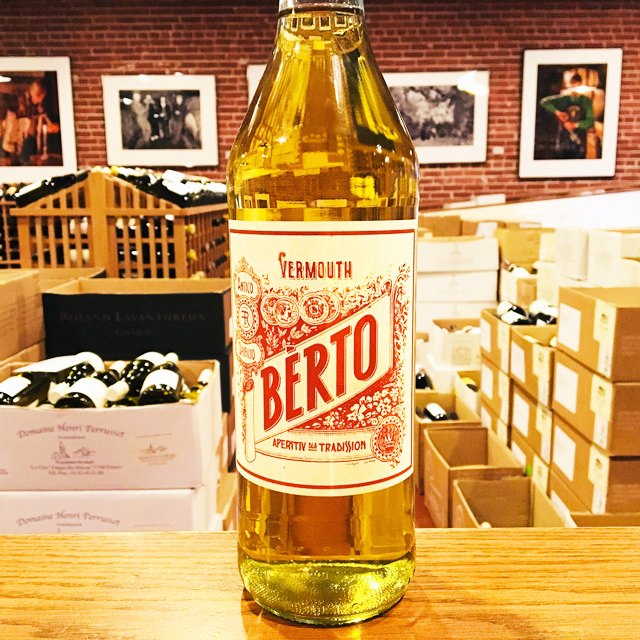
Let this aromatic Piemontese vermouth spice up your cocktail game, or sip it on the rocks with an orange peel garnish.
—Clark Z. Terry
| Wine Type: | white |
| Vintage: | 2018 |
| Bottle Size: | 1L |
| Blend: | Trebbiano, and Moscato Must, Herbs and Spices |
| Country: | Italy |
| Region: | Piedmont |
| Producer: | Bèrto |
| Winemaker: | Carlo Quaglia |
| Aging: | Aged in stainless steel tanks |
| Farming: | N/A |
| Alcohol: | 17% |
More from this Producer or Region

2024 Moscato d’Asti “Sorì Gramella”
Italy | Piedmont
Who could resist such a heavenly ambrosia, with its scent spring wildflowers, citrus blossoms, and succulently ripe grapes?

“Ross da Travaj” Vermouth
Italy | Piedmont
A stellar, artisanal red Vermouth whose uses are endless.
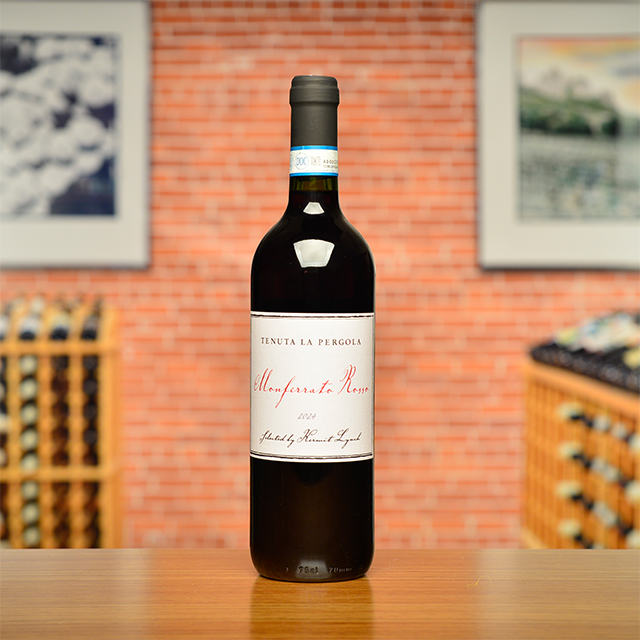
2024 Monferrato Rosso
Italy | Piedmont
A laid-back Barbera-based rosso with soft fruit and gentle tannins to enjoy with anything, not just Italian food.

Vermouth Extra Secco
Italy | Piedmont
You’re going to bring your martini game to a whole ’nother level with this dry Piedmontese Vermouth.

2025 Langhe Arneis
Italy | Piedmont
June Adventures Club ~ This dreamy wine reaffirms that we should turn more often to Piedmont not only for our reds but also for our whites!

2025 Dolcetto d’Alba “V. Pari”
Italy | Piedmont
Prime placement in a great vineyard site provides exquisite balance, gentle tannin, and notes of brambly fruit.

2021 Barolo “Marassio”
Italy | Piedmont
Unusual for La Morra, the soil here is rich in limestone with veins of chalk, giving Giulia’s most dense, profound, earth- and mineral-driven Barolo.

2023 Valli Ossolane Nebbiolo Superiore “Prünent Vigna Fornace”
Italy | Piedmont
A total knock-out, this bottling shows plenty of age-worthy structure, density, and ripe notes of cherry, plum, and leather.

2024 Dolcetto di Diano d’Alba “Sörì Cristina”
Italy | Piedmont
Supple, pretty notes of freshly crushed blackberries and raspberries—it will pair well with pretty much anything.

Vermouth di Torino Bianco “Aperitiv dla Tradission”
Italy | Piedmont
Let this aromatic Piemontese vermouth spice up your cocktail game, or sip it on the rocks with an orange peel garnish.

About The Producer
Bèrto
Founded in 1890, the distillery of Castelnuovo Don Bosco was purchased in 1906 by Carlo Quaglia, the great grandfather of the current distillery director. A succession of fathers passing the traditional knowledge of distillation and vermouth production to their sons, and each son adding their own vision brings us to present day. The ambition of the distillery is to preserve traditional liqueurs and vermouths of Piedmont. Brothers Alessandro and Gian Natale Fantino introduced us to Carlo Quaglia, who helps them make their Chinato. The Bèrto recipe dates back to the 1930s and was resurrected by the Italian chef Federico Ricatto. His vision was to create Piemontese Vermouth that could stand on its own as an aperitivo or digestivo.
About The Region
Piedmont

Kermit’s love affair with the great reds of Piemonte dates back to the early days of his career: the very first container he imported from Italy, in fact, featured legendary 1971 and 1974 Barolos from Vietti and Aldo Conterno. Regular visits since then have seen our portfolio grow to now twelve Piemontesi estates, with a strong focus on the rolling hills of the Langhe.
Nebbiolo rules these majestic, vine-covered marl slopes, giving Italy’s most mystifyingly complex, nuanced, and age-worthy reds. When crafted via traditional production methods—long macerations and extensive aging in enormous oak botti—the powerful, yet incredibly refined Barolos and Barbarescos provide haunting aromatics of tar, raspberry, incense, tea, roses, and more. At times austere in their youth but well worth the wait, they pair beautifully with the hearty local cuisine starring veal in many forms, braised beef, pastas like tajarin and agnolotti, and of course, Alba’s famous white truffles.
Surrounded by mountains on three sides, Piemonte’s climate is continental, with baking hot summers and cold winters. Nebbiolo is only part of the story here: juicy, fruity Barberas and Dolcettos represent the bread and butter throughout the region, and other native grapes like Freisa, Croatina, and the white Arneis are also noteworthy. Value abounds in the Monferrato, while Alto Piemonte also has its share of thrills to provide.
Every corner of Piemonte is rich with tradition, especially when wine is concerned. It’s no wonder we have been singing the region’s praises for over forty years.
More from Piedmont or Italy
2024 Langhe Nebbiolo “Camilu”
Guido Porro Italy | Piedmont
2021 Barolo “Le Coste di Monforte” MAGNUM
Piero Benevelli Italy | Piedmont
2022 Barolo “Vigna Santa Caterina”
Guido Porro Italy | Piedmont
2019 Barolo “Vigna Rionda” MAGNUM
Guido Porro Italy | Piedmont
2024 Canavese Nebbiolo “Ros”
Cantina Favaro Italy | Piedmont
2023 Valli Ossolane Nebbiolo Superiore “Prünent Vigna Fornace”
Cantine Garrone Italy | Piedmont
“Ross da Travaj” Vermouth
Bèrto Italy | Piedmont
2023 Valli Ossolane Nebbiolo Superiore “Prünent”
Cantine Garrone Italy | Piedmont
2024 Vino Rosso “Il Goccetto”
Tenuta La Pergola Italy | Piedmont
2024 Erbaluce di Caluso “Le Chiusure”
Cantina Favaro Italy | Piedmont
2024 Moscato d’Asti “Sorì Gramella”
Tintero Italy | Piedmont
2022 Dolcetto di Diano d’Alba “Sörì Santa Lucia”
Il Palazzotto Italy | Piedmont
2024 Langhe Nebbiolo “Camilu”
Guido Porro Italy | Piedmont
2021 Barolo “Le Coste di Monforte” MAGNUM
Piero Benevelli Italy | Piedmont
2022 Barolo “Vigna Santa Caterina”
Guido Porro Italy | Piedmont
2019 Barolo “Vigna Rionda” MAGNUM
Guido Porro Italy | Piedmont
2024 Canavese Nebbiolo “Ros”
Cantina Favaro Italy | Piedmont
“Ross da Travaj” Vermouth
Bèrto Italy | Piedmont
2023 Valli Ossolane Nebbiolo Superiore “Prünent”
Cantine Garrone Italy | Piedmont
2024 Vino Rosso “Il Goccetto”
Tenuta La Pergola Italy | Piedmont
2024 Erbaluce di Caluso “Le Chiusure”
Cantina Favaro Italy | Piedmont
2024 Moscato d’Asti “Sorì Gramella”
Tintero Italy | Piedmont
2022 Dolcetto di Diano d’Alba “Sörì Santa Lucia”
Il Palazzotto Italy | Piedmont
Kermit once said...

Kermit once said...
When buying red Burgundy, I think we should remember:
1. Big wines do not age better than light wine.
2. A so-called great vintage at the outset does not guarantee a great vintage for the duration.
3. A so-called off vintage at the outset does not mean the wines do not have a brilliant future ahead of them.
4. Red Burgundy should not taste like Guigal Côte-Rôtie, even if most wine writers wish it would.
5. Don’t follow leaders; watch yer parking meters.
Inspiring Thirst, page 174