


2017 Pomerol
Château Gombaude-Guillot
Organically grown, pedigreed Bordeaux? Say no more. Olivier Techer, who learned to make wine from his pioneering mother, regales us time after time, never missing, with his slightly rustic, always alluring Pomerol from his family’s storied outpost on the right bank. A touch of Cabernet Franc lends a peppery accent to this Merlot-based blend that’s both curvy and firm, with tangy red fruit and woodsmoke on the nose. After a few years in bottle, it now reveals a more savory, velvety quality. Bordeaux as luxurious as this one makes an apt pairing for a banquet of dishes ranging from grilled flank steak to lamb chops to charred and herby chicken hot off the grill.
—Jane Augustine
| Wine Type: | red |
| Vintage: | 2017 |
| Bottle Size: | 750mL |
| Blend: | 85% Merlot, 15% Cabernet Franc |
| Appellation: | Pomerol |
| Country: | France |
| Region: | Bordeaux |
| Producer: | Château Gombaude-Guillot |
| Winemaker: | Claire Laval |
| Vineyard: | 40 years, 7 ha |
| Soil: | Flint, Clay |
| Aging: | Wine is aged in Allier oak barrels, 50% of which are new, although the proportion of new oak varies according to the vintage |
| Farming: | Organic (certified) |
| Alcohol: | 14% |
More from this Producer or Region
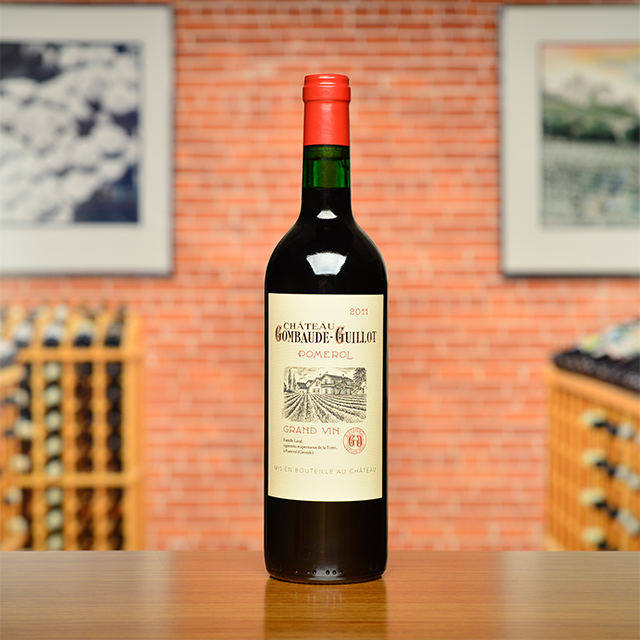
2011 Pomerol
France | Bordeaux
Rich, velvety texture and vivid fruit, suggesting blackberry and plum with an almost wild intensity.

2020 Canon Fronsac
France | Bordeaux
You may find it to be leaner and livelier than the rich, plush Merlots of Pomerol and Saint-Émilion.

2011 Pomerol MAGNUM
France | Bordeaux
With incredible depth, power, and fine but grippingly youthful tannins, this is unmistakably Pomerol.
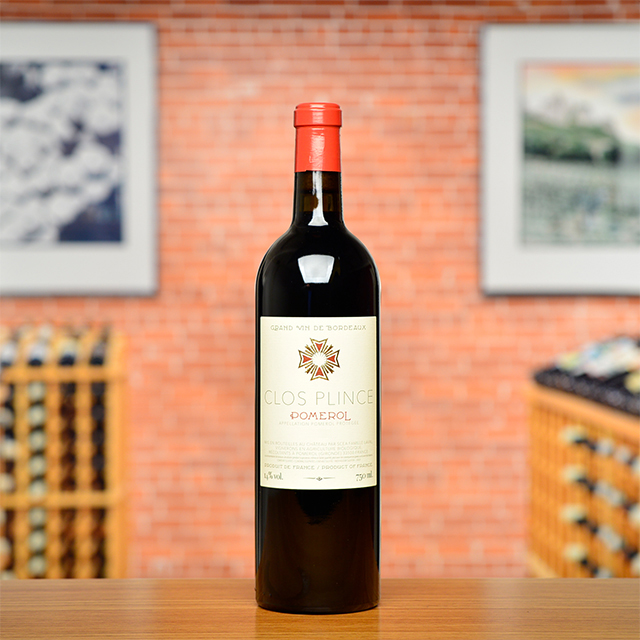
2019 Pomerol “Clos Plince”
France | Bordeaux
This is the perfect example of a fine, elegant version of Merlot.

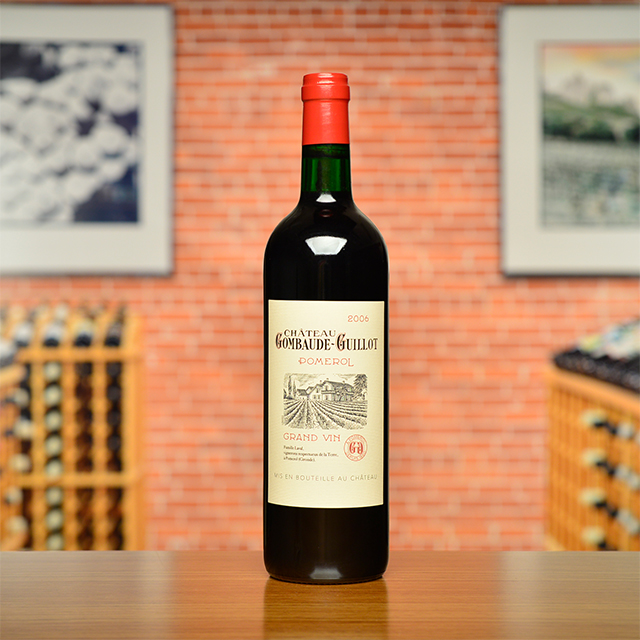
2006 Pomerol
France | Bordeaux
**Extremely limited quantities, maximum three bottles per purchase.**
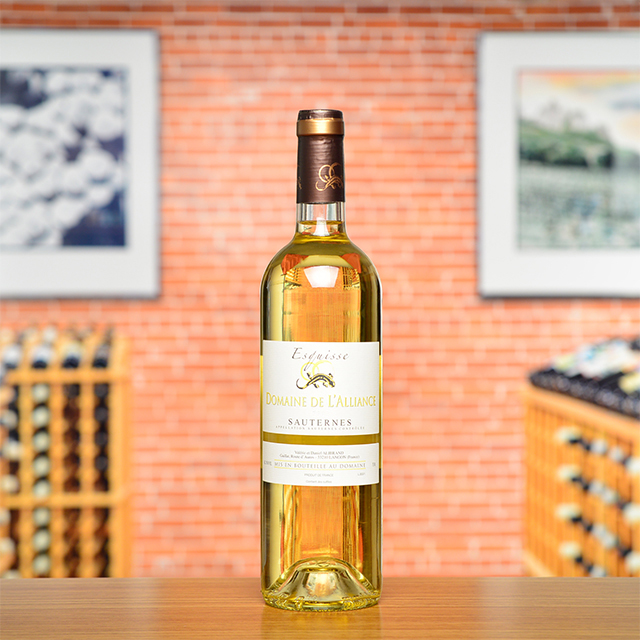
2023 Sauternes “Esquisse”
France | Bordeaux
This refreshing dessert wine is versatile at table—it works wonders as an apéritif or with cheeses—and can still be cellared for several years.

2025 Bordeaux Blanc
France | Bordeaux
This refreshing, food-friendly white walks the line between racy and voluptuous. Excellent with sushi, or anything else from the sea.

2023 Sauternes HALF BOTTLE
France | Bordeaux
It is a habit-forming apéritif with or without foie gras.

2019 Fronsac
France | Bordeaux
There is nothing overdone in this chiseled, elegant cuvée made from organically grown and pampered Merlot.


About The Producer
Château Gombaude-Guillot
About The Region
Bordeaux

Often considered the wine capital of the world, Bordeaux and its wines have captured the minds, hearts, and wallets of wine drinkers for centuries. For many, the wines provide an inalienable benchmark against which all other wines are measured.
Bordeaux is divided into three winegrowing regions with the city that gives the region its name in the near geographical center. The “right bank,” or the area located east of the Dordogne River, produces wines that are predominantly Merlot with small amounts of Cabernet Franc and Cabernet Sauvignon. The “left bank” is located to the west of the Garonne River and produces wines dominated by Cabernet Sauvignon, with Cabernet Franc, Merlot, Malbec and Petit Verdot.
The third region, Entre-Deux-Mers, lies between both rivers and produces white wines from Sauvignon Blanc, Sémillon, and Muscadelle. Though technically in the left bank, it is worth noting the appellation of Sauternes, which produces arguably the world’s most famous sweet wines from Sauvignon Blanc, Sémillon, and Muscadelle as well.
Though many top Bordeaux wines are sold en primeur (in advance of their bottling) and often through a middleman known as a negoçiant, Kermit has always preferred to purchase directly from the winemaker. For more than three decades he has sought out small producers, who make classic Bordeaux wines and are willing to play outside the negoçiant system. This ethic has led to longstanding relationships, excellent prices, and perhaps most important—wines of great value and longevity.
More from Bordeaux or France
2023 Sauternes “Esquisse”
Domaine de l'Alliance France | Bordeaux
2019 Fronsac
Château Haut-Lariveau France | Bordeaux
2020 Canon Fronsac
Château Moulin France | Bordeaux
2025 Bordeaux Blanc
Château Ducasse France | Bordeaux
2020 Atlantique Blanc “Déclinaison”
Domaine de l’Alliance France | Bordeaux
2022 Sauternes
Domaine de l’Alliance France | Bordeaux
2024 Graves Blanc
Château Graville-Lacoste France | Bordeaux
2019 Lalande-de-Pomerol
Château Belles-Graves France | Bordeaux
2012 Pomerol
Château Gombaude-Guillot France | Bordeaux
2021 Bordeaux Sec “Les Clous”
Domaine de l'Alliance France | Bordeaux
2022 Bordeaux Sec “Les Clous”
Domaine de l’Alliance France | Bordeaux
2011 Pomerol
Château Gombaude-Guillot France | Bordeaux
2023 Sauternes “Esquisse”
Domaine de l'Alliance France | Bordeaux
2019 Fronsac
Château Haut-Lariveau France | Bordeaux
2020 Canon Fronsac
Château Moulin France | Bordeaux
2025 Bordeaux Blanc
Château Ducasse France | Bordeaux
2020 Atlantique Blanc “Déclinaison”
Domaine de l’Alliance France | Bordeaux
2022 Sauternes
Domaine de l’Alliance France | Bordeaux
2024 Graves Blanc
Château Graville-Lacoste France | Bordeaux
2019 Lalande-de-Pomerol
Château Belles-Graves France | Bordeaux
2012 Pomerol
Château Gombaude-Guillot France | Bordeaux
2021 Bordeaux Sec “Les Clous”
Domaine de l'Alliance France | Bordeaux
2022 Bordeaux Sec “Les Clous”
Domaine de l’Alliance France | Bordeaux
2011 Pomerol
Château Gombaude-Guillot France | Bordeaux
Kermit once said...

Kermit once said...
If you're looking for value, look where no one else is looking.
Inspiring Thirst, page 211