


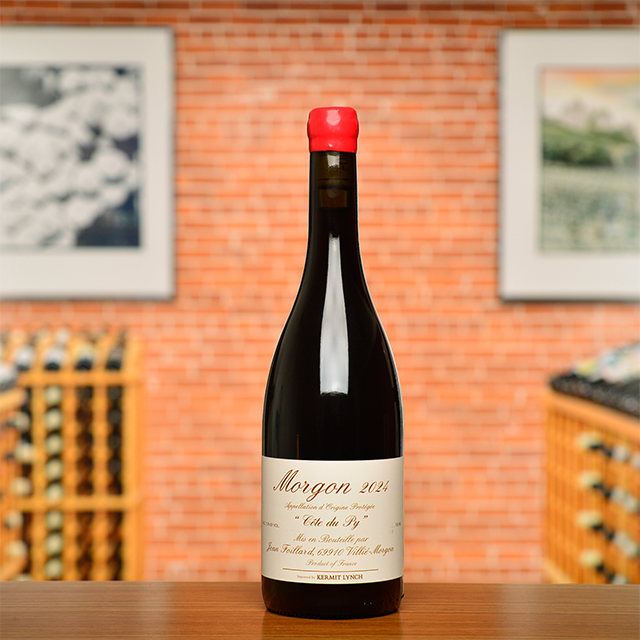
2020 Morgon “Côte du Py”
Jean Foillard

Serious minerality, with earthy stone and plum notes. Dusty tannins and a long evolution in the glass that keeps you studying.
—Katie Dodds
| Wine Type: | red |
| Vintage: | 2020 |
| Bottle Size: | 750mL |
| Blend: | Gamay |
| Appellation: | Morgon |
| Country: | France |
| Region: | Beaujolais |
| Producer: | Jean Foillard |
| Winemaker: | Jean Foillard |
| Vineyard: | 10-90 years, 8.6 ha total |
| Soil: | Schist, granite, manganese |
| Farming: | Organic (certified) |
| Alcohol: | 14% |
More from this Producer or Region

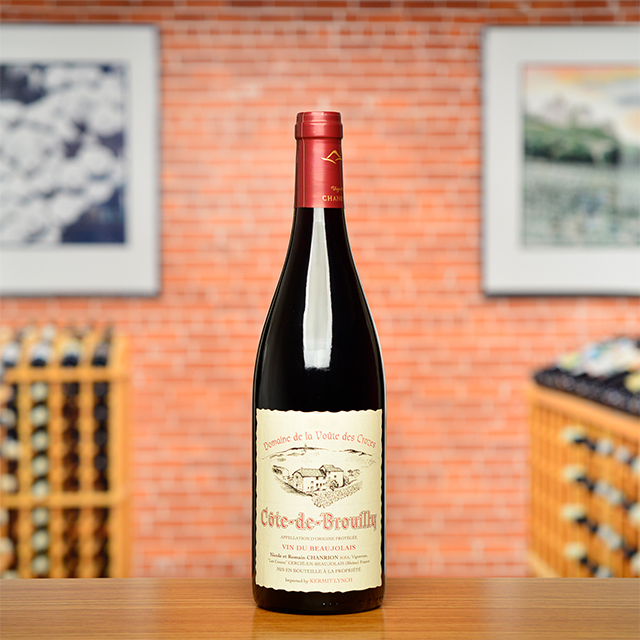
2024 Côte-de-Brouilly
France | Beaujolais
Stony, faintly spicy, and elegant, it’s the kind of bottle you want to pop open again as soon as the first is drained.

2024 Morgon “Cuvée Corcelette”
France | Beaujolais
Sweet, earthy fruit, and sensuous, velvety texture.
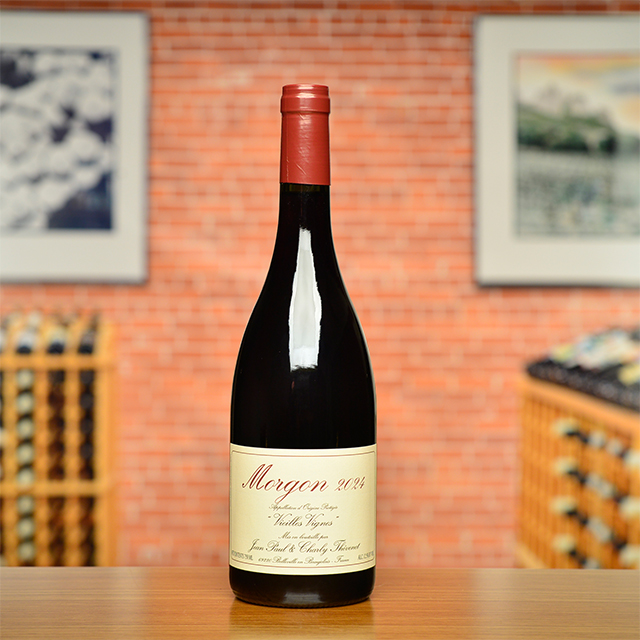
2024 Morgon “Vieilles Vignes”
France | Beaujolais
If Beaujolais were Burgundy, we might consider Morgon to be Vosne-Romanée, with its haunting perfume and silky texture.

2024 Brouilly
France | Beaujolais
A generous dash of plump, sun-ripened fruit enveloping a granite core.
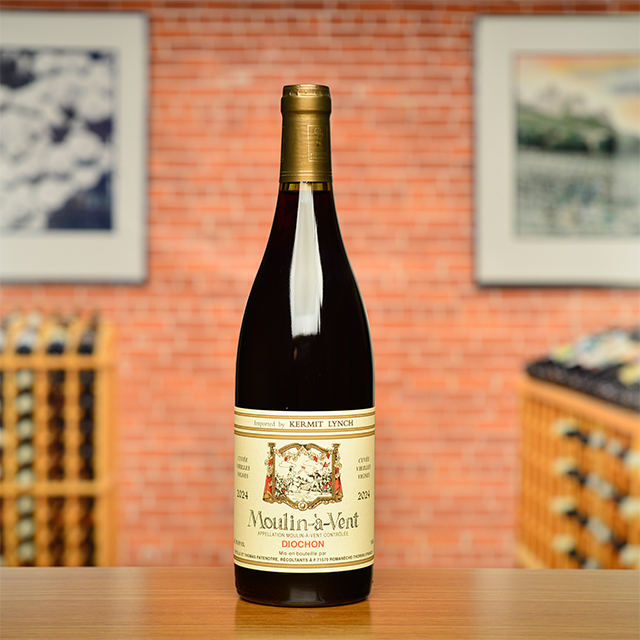
2024 Moulin-à-Vent “Vieilles Vignes”
France | Beaujolais
Moulin-à-Vent has a unique, earthy, chewy edge to it that you just can’t find anywhere else.

2021 Brouilly
France | Beaujolais
A generous dash of plump, sun-ripened fruit enveloping a granite core.

2024 Beaujolais-Villages
France | Beaujolais
Silky and seductive, with notes of rose petals, red berries, and stones.

2025 Beaujolais Rosé
France | Beaujolais
The result is a pretty, round, and versatile rosé full of notes of red fruit, melon, and rhubarb. It finishes with a subtle herbal note and foodfriendly acidity.


About The Producer
Jean Foillard
About The Region
Beaujolais

After years of the region’s reputation being co-opted by mass-produced Beaujolais Nouveau and the prevalence of industrial farming, the fortunes of vignerons from the Beaujolais have been on the rise in the past couple of decades. Much of this change is due to Jules Chauvet, a prominent Beaujolais producer who Kermit worked with in the 1980s and arguably the father of the natural wine movement, who advocated not using herbicides or pesticides in vineyards, not chaptalizing, fermenting with ambient yeasts, and vinifying without SO2. Chief among Chauvet’s followers was Marcel Lapierre and his three friends, Jean Foillard, Guy Breton, and Jean-Paul Thévenet—a group of Morgon producers who Kermit dubbed “the Gang of Four.” The espousal of Chauvet’s methods led to a dramatic change in quality of wines from Beaujolais and with that an increased interest and appreciation for the AOC crus, Villages, and regular Beaujolais bottlings.
The crus of Beaujolais are interpreted through the Gamay grape and each illuminate the variety of great terroirs available in the region. Distinguishing itself from the clay and limestone of Burgundy, Beaujolais soils are predominantly decomposed granite, with pockets of blue volcanic rock. The primary vinification method is carbonic maceration, where grapes are not crushed, but instead whole clusters are placed in a tank, thus allowing fermentation to take place inside each grape berry.
Much like the easy-going and friendly nature of many Beaujolais vignerons, the wines too have a lively and easy-drinking spirit. They are versatile at table but make particularly good matches with the local pork sausages and charcuterie. Though often considered a wine that must be drunk young, many of the top crus offer great aging potential.
More from Beaujolais or France
2023 Beaujolais Blanc
Domaine Dupeuble France | Beaujolais
2024 Beaujolais
Domaine Dupeuble France | Beaujolais
2025 Beaujolais Rosé
Domaine Dupeuble France | Beaujolais
2024 Régnié “Grain & Granit”
Jean Paul et Charly Thévenet France | Beaujolais
2024 Morgon “Côte du Py”
Jean Foillard France | Beaujolais
2024 Morgon “Cuvée Corcelette”
Jean Foillard France | Beaujolais
2025 Beaujolais “Le Beaujolais”
M. & C. Lapierre France | Beaujolais
2024 Morgon
M. & C. Lapierre France | Beaujolais
2024 Beaujolais-Villages
Jean Foillard France | Beaujolais
2019 Côte-de-Brouilly
Nicole Chanrion France | Beaujolais
2021 Brouilly
Alex Foillard France | Beaujolais
2024 Côte-de-Brouilly
Nicole Chanrion France | Beaujolais
2023 Beaujolais Blanc
Domaine Dupeuble France | Beaujolais
2024 Beaujolais
Domaine Dupeuble France | Beaujolais
2025 Beaujolais Rosé
Domaine Dupeuble France | Beaujolais
2024 Régnié “Grain & Granit”
Jean Paul et Charly Thévenet France | Beaujolais
2024 Morgon “Côte du Py”
Jean Foillard France | Beaujolais
2024 Morgon “Cuvée Corcelette”
Jean Foillard France | Beaujolais
2025 Beaujolais “Le Beaujolais”
M. & C. Lapierre France | Beaujolais
2024 Morgon
M. & C. Lapierre France | Beaujolais
2024 Beaujolais-Villages
Jean Foillard France | Beaujolais
2019 Côte-de-Brouilly
Nicole Chanrion France | Beaujolais
2021 Brouilly
Alex Foillard France | Beaujolais
2024 Côte-de-Brouilly
Nicole Chanrion France | Beaujolais
Kermit once said...

Kermit once said...
Living wines have ups and downs just as people do, periods of glory and dog days, too. If wine did not remind me of real life, I would not care about it so much.