


2019 Fleurie
Jean Foillard
Fresh hay on the nose, wet wheat field and moss. Light and living, charged with herbs, cranberry, and strawberry.
Jean’s wines, like the Beaujolais itself, have a way of bringing you squarely home. Each cuvée is unmistakably from here. The wine smells like the earth right before it rains and tastes like the pine forests high on the hills and the wild fruits in the underbrush. With vines unaltered by herbicides or pesticides, and every grape cluster twisted from the vine by hand, this is pure Beaujolais, and there is nothing better.
—Katie Dodds
| Wine Type: | red |
| Vintage: | 2019 |
| Bottle Size: | 750mL |
| Blend: | Gamay |
| Appellation: | Fleurie |
| Country: | France |
| Region: | Beaujolais |
| Producer: | Jean Foillard |
| Winemaker: | Jean Foillard |
| Vineyard: | 45-50 years, 1 ha |
| Soil: | Pink granite |
| Farming: | Organic (certified) |
| Alcohol: | 13.5% |
More from this Producer or Region

2022 Côte de Brouilly
France | Beaujolais
A relatively new addition to Guy Breton’s Beaujolais lineup, this exuberant Côte de Brouilly is flat-out delicious.

2024 Côte de Brouilly
France | Beaujolais
Brambly and mineral, this bottling exudes both the convivial charm of Gamay and the crunchy intensity of the Côte de Brouilly.

2025 Vin de France Rouge “Raisins Gaulois”
France | Beaujolais
This juicy red is low in alcohol and delightfully refreshing.
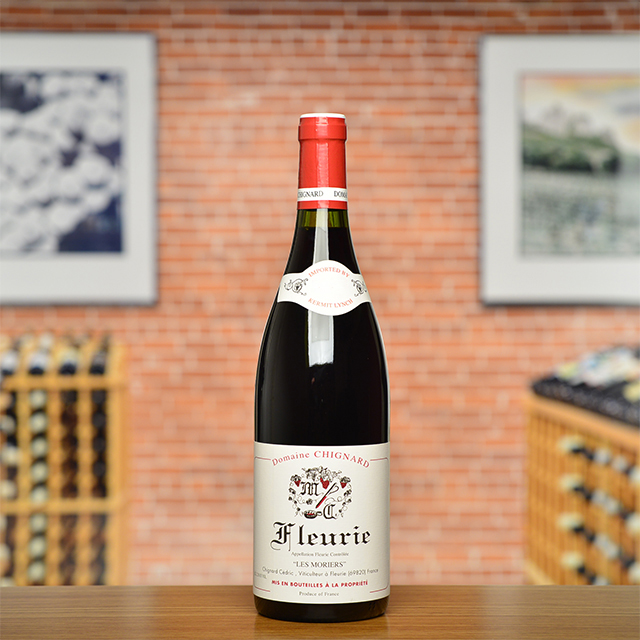
2024 Fleurie “Les Moriers”
France | Beaujolais
Showcasing notes of brambly fruit, violet, stone, and smoke, Les Moriers offers so much to love.
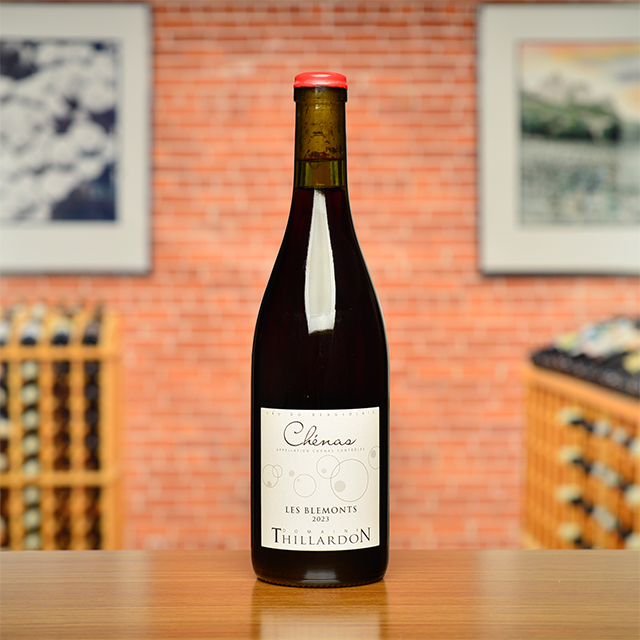
2023 Chénas “Les Blémonts”
France | Beaujolais
Structured yet full of energy, with notes of blueberry, spice, and other things nice.

2023 Côte de Brouilly
France | Beaujolais
Alex Foillard fashions a Côte-de-Brouilly that strikes a deeper register, saturating the senses with tooth-staining fruit, gritty earth, and just a touch of the good funk.

2024 Brouilly “Reverdon”
France | Beaujolais
This bottling is classic Brouilly, balanced and old-school, and showcases the beauty of Gamay.

2024 Juliénas
France | Beaujolais
With loads of fresh Gamay fruit, it flows over the palate with a juicy buoyancy that simply makes it hard to resist.

2023 Chénas “Vibrations”
France | Beaujolais
Its shimmering red fruit comes alive with a nice chill.

2025 Beaujolais Villages Rosé
France | Beaujolais
Sourced from the pink granite terroir of Brouilly, this rosé is simply delicious, with good grip and notes of summery red berries.


About The Producer
Jean Foillard
About The Region
Beaujolais

After years of the region’s reputation being co-opted by mass-produced Beaujolais Nouveau and the prevalence of industrial farming, the fortunes of vignerons from the Beaujolais have been on the rise in the past couple of decades. Much of this change is due to Jules Chauvet, a prominent Beaujolais producer who Kermit worked with in the 1980s and arguably the father of the natural wine movement, who advocated not using herbicides or pesticides in vineyards, not chaptalizing, fermenting with ambient yeasts, and vinifying without SO2. Chief among Chauvet’s followers was Marcel Lapierre and his three friends, Jean Foillard, Guy Breton, and Jean-Paul Thévenet—a group of Morgon producers who Kermit dubbed “the Gang of Four.” The espousal of Chauvet’s methods led to a dramatic change in quality of wines from Beaujolais and with that an increased interest and appreciation for the AOC crus, Villages, and regular Beaujolais bottlings.
The crus of Beaujolais are interpreted through the Gamay grape and each illuminate the variety of great terroirs available in the region. Distinguishing itself from the clay and limestone of Burgundy, Beaujolais soils are predominantly decomposed granite, with pockets of blue volcanic rock. The primary vinification method is carbonic maceration, where grapes are not crushed, but instead whole clusters are placed in a tank, thus allowing fermentation to take place inside each grape berry.
Much like the easy-going and friendly nature of many Beaujolais vignerons, the wines too have a lively and easy-drinking spirit. They are versatile at table but make particularly good matches with the local pork sausages and charcuterie. Though often considered a wine that must be drunk young, many of the top crus offer great aging potential.
More from Beaujolais or France
2024 Brouilly “Reverdon”
Château Thivin France | Beaujolais
2024 Côte de Brouilly
Château Thivin France | Beaujolais
2024 Beaujolais
Domaine Dupeuble France | Beaujolais
2019 Côte-de-Brouilly
Nicole Chanrion France | Beaujolais
2023 Côte de Brouilly
Alex Foillard France | Beaujolais
2024 Côte-de-Brouilly
Nicole Chanrion France | Beaujolais
2021 Beaujolais Blanc “Terrain Rouge”
Jean-Paul et Charly Thévenet France | Beaujolais
2025 Vin de France Rouge “Raisins Gaulois”
M. & C. Lapierre France | Beaujolais
2024 Côte de Brouilly “Cuvée Zaccharie”
Château Thivin France | Beaujolais
2024 Chénas “Les Carrières”
Domaine Thillardon France | Beaujolais
2024 Morgon
“Cuvée Marcel Lapierre”
M. & C. Lapierre France | Beaujolais
2024 Moulin-à-Vent “Sous la Roche”
Domaine Thillardon France | Beaujolais
2024 Brouilly “Reverdon”
Château Thivin France | Beaujolais
2024 Côte de Brouilly
Château Thivin France | Beaujolais
2024 Beaujolais
Domaine Dupeuble France | Beaujolais
2019 Côte-de-Brouilly
Nicole Chanrion France | Beaujolais
2023 Côte de Brouilly
Alex Foillard France | Beaujolais
2024 Côte-de-Brouilly
Nicole Chanrion France | Beaujolais
2021 Beaujolais Blanc “Terrain Rouge”
Jean-Paul et Charly Thévenet France | Beaujolais
2025 Vin de France Rouge “Raisins Gaulois”
M. & C. Lapierre France | Beaujolais
2024 Côte de Brouilly “Cuvée Zaccharie”
Château Thivin France | Beaujolais
2024 Chénas “Les Carrières”
Domaine Thillardon France | Beaujolais
2024 Morgon
“Cuvée Marcel Lapierre”
M. & C. Lapierre France | Beaujolais
2024 Moulin-à-Vent “Sous la Roche”
Domaine Thillardon France | Beaujolais
Where the newsletter started

Where the newsletter started
Every three or four months I would send my clients a cheaply made list of my inventory, but it began to dawn on me that business did not pick up afterwards. It occurred to me that my clientele might not know what Château Grillet is, either. One month in 1974 I had an especially esoteric collection of wines arriving, so I decided to put a short explanation about each wine into my price list, to try and let my clients know what to expect when they uncorked a bottle. The day after I mailed that brochure, people showed up at the shop, and that is how these little propaganda pieces for fine wine were born.—Kermit Lynch