


2021 Irouléguy Blanc “Hegoxuri”
Domaine Arretxea

Arretxea’s flagship white, blended from the three local white grapes and raised in a combination of demi-muids and foudres. Bone-dry and bracingly tart, with notes of lime, ginger, and salted caramel. Decant it to best enjoy it young; with time, its edginess will soften and develop into something truly spectacular.
—Anthony Lynch
| Wine Type: | white |
| Vintage: | 2021 |
| Bottle Size: | 750mL |
| Blend: | 60% Gros Manseng, 35% Petit Manseng, 5% Petit Courbu |
| Appellation: | Irouléguy |
| Country: | France |
| Region: | Southwest |
| Producer: | Maison Arretxea |
| Winemaker: | Thérese & Michel Riouspeyrous |
| Vineyard: | 15 to 20 years, 3 ha |
| Soil: | Sandstone |
| Aging: | Fermentation and aging in foudre, 600-L demi-muid (40%), and the rest in stainless steel |
| Farming: | Biodynamic (certified) |
| Alcohol: | 14% |
More from this Producer or Region
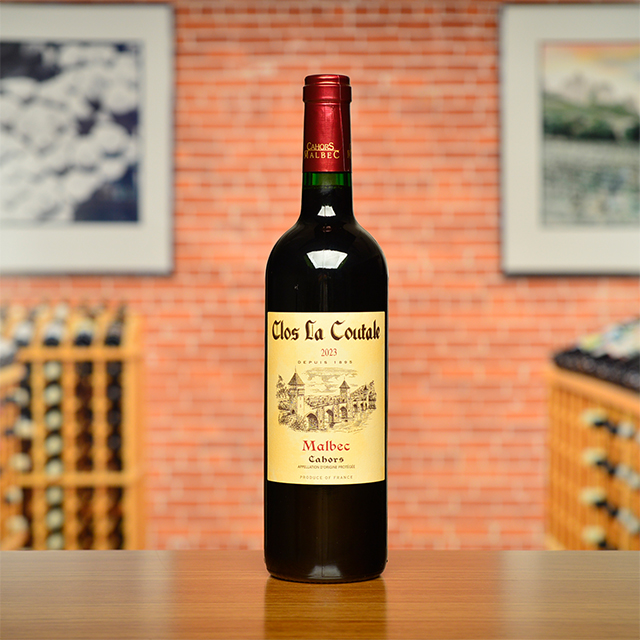
2023 Cahors
France | Southwest
Today, the 2023 is a robust, tightly coiled rouge balanced by notes of dark fruit, plum, earth, and eucalyptus.

2023 Cahors HALF BOTTLE
France | Southwest
A red perennially punches way above its weight, both in the immediate pleasure it delivers and the way it evolves in the bottle over time.

2021 Irouléguy Rouge “Cuvée Haitza”
France | Southwest
A black wine made from steep inclines planted to Tannat and some Cabernet Sauvignon, it demands patience while its dense, mouth-coating tannins slowly release their clutching grip.

2023 Cahors
France | Southwest
La Grave is one of the rare Cahors to consist exclusively of the native Malbec. Without any Merlot to soften it, this Cahors is decidedly old-fashioned.


About The Producer
Maison Arretxea
About The Region
Southwest

Tucked away beneath Bordeaux and buffeted by the Pyrenees to the south, this expansive region of France, commonly known as the Southwest, is home to a diverse number of viticulture and gastronomic traditions as well as cultures. Though Cahors might be the most well known (and easiest to pronounce) appellation from the Southwest, the importance and influence of French Basque culture cannot be underestimated. Irouléguy, the primary appellation of the Basque region of France produces full-bodied, hearty red wines, produced from Tannat grape (known for its tannic qualities). Dry whites from Irouléguy are also produced from Petit and Gros Manseng. Northeast of Irouléguy is the sweet wine-producing appellation of Jurançon. These moelleux wines made from Petit and Gros Manseng have a storied history in France, from being the first wine region to have a vineyard classification, which dates back to the 154th century, to being preferred wine of royalty dating back to the 16th century as well as the French poet Colette.
More from Southwest or France
2024 Alpilles Blanc “Jaspe”
Domaine Hauvette France | Provence
2024 Saint-Chinian Rouge “Cebenna”
Les Eminades France | Languedoc-Roussillon
2023 Cahors HALF BOTTLE
Clos La Coutale France | Southwest
2025 Tavel Rosé
Château de Trinquevedel France | Southern Rhône
2023 Cahors
Château La Grave France | Southwest
2023 Santenay Rouge 1er Cru “Les Gravières”
Jean-Marc Vincent France | Burgundy
2021 Irouléguy Rouge “Cuvée Haitza”
Maison Arretxea France | Southwest
2022 Beaune 1er Cru “Les Epenottes”
Antoine Jobard France | Burgundy
2024 Chablis 1er Cru “Vaillons”
Henri Costal France | Burgundy
2023 Chénas “Chassignol”
Domaine Thillardon France | Beaujolais
2022 Côtes du Jura Chardonnay “Terres Blanches”
François Rousset-Martin France | Jura
2023 Cahors
Clos La Coutale France | Southwest
2024 Alpilles Blanc “Jaspe”
Domaine Hauvette France | Provence
2024 Saint-Chinian Rouge “Cebenna”
Les Eminades France | Languedoc-Roussillon
2023 Cahors HALF BOTTLE
Clos La Coutale France | Southwest
2025 Tavel Rosé
Château de Trinquevedel France | Southern Rhône
2023 Cahors
Château La Grave France | Southwest
2023 Santenay Rouge 1er Cru “Les Gravières”
Jean-Marc Vincent France | Burgundy
2021 Irouléguy Rouge “Cuvée Haitza”
Maison Arretxea France | Southwest
2022 Beaune 1er Cru “Les Epenottes”
Antoine Jobard France | Burgundy
2024 Chablis 1er Cru “Vaillons”
Henri Costal France | Burgundy
2023 Chénas “Chassignol”
Domaine Thillardon France | Beaujolais
2023 Cahors
Clos La Coutale France | Southwest
Vintage Chart Mentality

Vintage Chart Mentality
Trust the great winemakers, trust the great vineyards. Your wine merchant might even be trustworthy. In the long run, that vintage strip may be the least important guide to quality on your bottle of wine.—Kermit Lynch