


2018 Cheverny
Domaine du Salvard
After losing half their 2017 crop to frost, Thierry and Emmanuel Delaille of Domaine du Salvard received a sort of divine compensation in 2018. At last, an abundant harvest endowed with excellent ripeness and superb balance! True bon vivants, the brothers seemed especially jovial when we sampled the 2018s in June. Beaming with joy and always quick to pun, they poured me a lineup of wines boasting a comparable liveliness, verve, and lighthearted disposition. Their Cheverny, a festive mélange of frisky Sauvignon with an enriching splash of Chardonnay, remains one of the most quaffable whites we import. Exotic and citrusy with a trademark zingy finish, this wine simply goes down way too easy. Lucky for us, there is twice as much as last year!
—Anthony Lynch
| Wine Type: | white |
| Vintage: | 2018 |
| Bottle Size: | 750mL |
| Blend: | 85% Sauvignon Blanc, 15% Chardonnay |
| Appellation: | Cheverny |
| Country: | France |
| Region: | Loire |
| Producer: | Domaine du Salvard |
| Winemaker: | Emmanuel & Thierry Delaille |
| Vineyard: | 10 - 65 years |
| Soil: | Chalk, Limestone, Sand |
| Aging: | Wines age on fine lees in stainless steel tanks and are bottled unfiltered |
| Farming: | Lutte Raisonnée |
| Alcohol: | 12.5% |
More from this Producer or Region

2020 Vin de France Blanche
France | Loire
This lithe and expressive “orange” wine is an ideal palate-opener with a dry, cleansing finish and a fresh, cooling effect like coastal sage and seaspray.
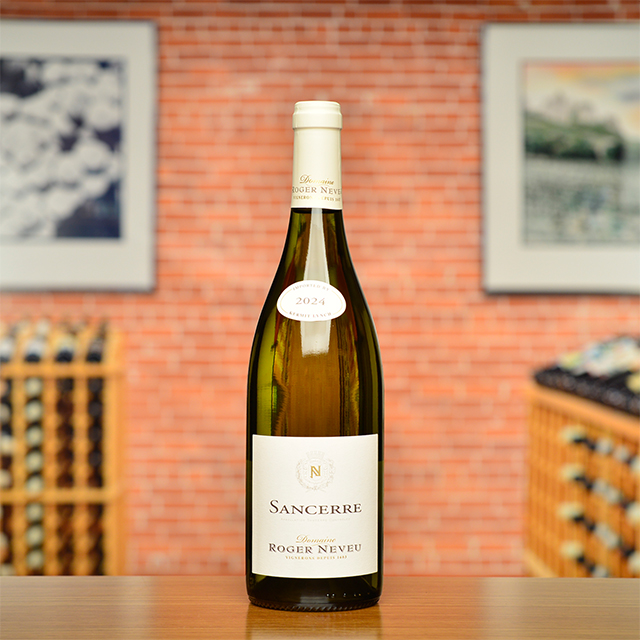

2020 Chinon “Clos du Chêne Vert”
France | Loire
Chinons from Joguet are known for their firm minerality, but this one is quite charming as well, with plummy black fruit and notes of licorice.

Vouvray Brut “La Dilettante”
France | Loire
The standard that Catherine Breton and her son Paul hold their Vouvray Brut to is not other Loire sparkling wines, but Champagne.
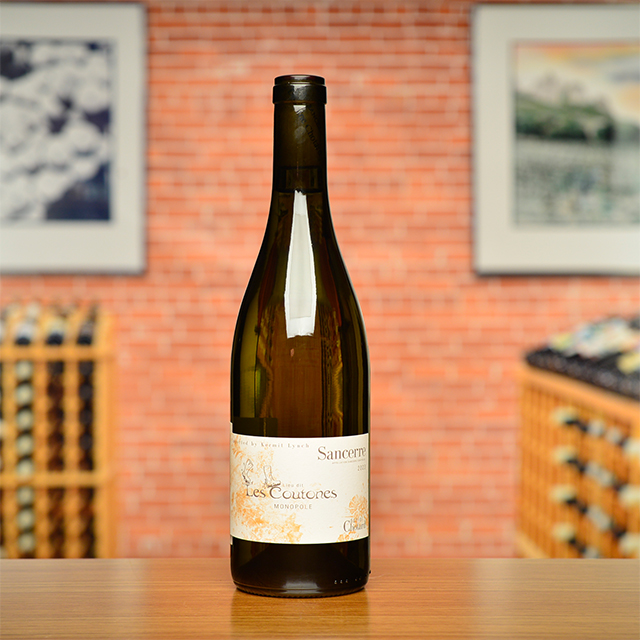
2023 Sancerre “Les Coutones”
France | Loire
A fleshy, full-bodied Sancerre with great freshness and the ability to age in bottle for a few years after release.

2017 Jasnières “Chant de Vigne”
France | Loire
A single-vineyard bottling whose age lends a soft, drawn butter richness to its bright, tart citrus palate.

2019 Vin de France Rouge Grolleau/Cabernet Franc “Clandestine”
France | Loire
A lovely blend of Grolleau Noir and Cabernet Franc with a synergistic effect that elevates both grapes to create a spicy, refreshing whole.

2025 Cheverny
France | Loire
Sauvignon and a splash of Chardonnay: the epitome of minerally Loire refreshment.

2025 Val de Loire Sauvignon Blanc “Unique”
France | Loire
Lime blossoms delivered via a lightning bolt of minerally refreshment.

2024 Bourgueil “Cuvée Alouettes”
France | Loire
May Adventures Club ~ Alouettes harkens to a different era: it’s pleasantly tannic and chalky, with sleek notes of licorice, cranberry, and prickly black pepper.


About The Producer
Domaine du Salvard
About The Region
Loire

The defining feature of the Loire Valley, not surprisingly, is the Loire River. As the longest river in France, spanning more than 600 miles, this river connects seemingly disparate wine regions. Why else would Sancerre, with its Kimmeridgian limestone terroir be connected to Muscadet, an appellation that is 250 miles away?
Secondary in relevance to the historical, climatic, environmental, and cultural importance of the river are the wines and châteaux of the Jardin de la France. The kings and nobility of France built many hundreds of châteaux in the Loire but wine preceded the arrival of the noblesse and has since out-lived them as well.
Diversity abounds in the Loire. The aforementioned Kimmeridgian limestone of Sancerre is also found in Chablis. Chinon, Bourgueil, and Saumur boast the presence of tuffeau, a type of limestone unique to the Loire that has a yellowish tinge and a chalky texture. Savennières has schist, while Muscadet has volcanic, granite, and serpentinite based soils. In addition to geologic diversity, many, grape varieties are grown there too: Cabernet Franc, Chenin Blanc, Sauvignon Blanc, and Melon de Bourgogne are most prevalent, but (to name a few) Pinot Gris, Grolleau, Pinot Noir, Pineau d’Aunis, and Folle Blanche are also planted. These myriad of viticultural influences leads to the high quality production of every type of wine: red, white, rosé, sparkling, and dessert.
Like the Rhône and Provence, some of Kermit’s first imports came from the Loire, most notably the wines of Charles Joguet and Château d’Epiré—two producers who are featured in Kermit’s book Adventures on the Wine Route and with whom we still work today.
More from Loire or France
2024 Sancerre
Domaine Hippolyte Reverdy France | Loire
2025 Cheverny
Domaine du Salvard France | Loire
2023 Chinon Blanc
Bernard Baudry France | Loire
2023 Chinon “Cuvée Terroir”
Charles Joguet France | Loire
Vouvray Brut
Champalou France | Loire
2024 Vouvray
Champalou France | Loire
2022 Bourgueil “Clos Sénéchal”
Catherine & Pierre Breton France | Loire
2021 Saumur Blanc “Terres”
Thierry Germain France | Loire
2022 Saumur Champigny “Clos de l’Échelier”
Thierry Germain France | Loire
2023 Quincy “Vieilles Vignes”
Domaine Trotereau France | Loire
2023 Sancerre “Les Cris”
Daniel Chotard France | Loire
2021 Saumur Champigny “La Marginale”
Thierry Germain France | Loire
2024 Sancerre
Domaine Hippolyte Reverdy France | Loire
2025 Cheverny
Domaine du Salvard France | Loire
2023 Chinon Blanc
Bernard Baudry France | Loire
2023 Chinon “Cuvée Terroir”
Charles Joguet France | Loire
Vouvray Brut
Champalou France | Loire
2024 Vouvray
Champalou France | Loire
2022 Bourgueil “Clos Sénéchal”
Catherine & Pierre Breton France | Loire
2021 Saumur Blanc “Terres”
Thierry Germain France | Loire
2022 Saumur Champigny “Clos de l’Échelier”
Thierry Germain France | Loire
2023 Quincy “Vieilles Vignes”
Domaine Trotereau France | Loire
2023 Sancerre “Les Cris”
Daniel Chotard France | Loire
2021 Saumur Champigny “La Marginale”
Thierry Germain France | Loire
Kermit once said...

Kermit once said...
For the wines that I buy I insist that the winemaker leave them whole, intact. I go into the cellars now and select specific barrels or cuvées, and I request that they be bottled without stripping them with filters or other devices. This means that many of our wines will arrive with a smudge of sediment and will throw a more important deposit as time goes by, It also means the wine will taste better.